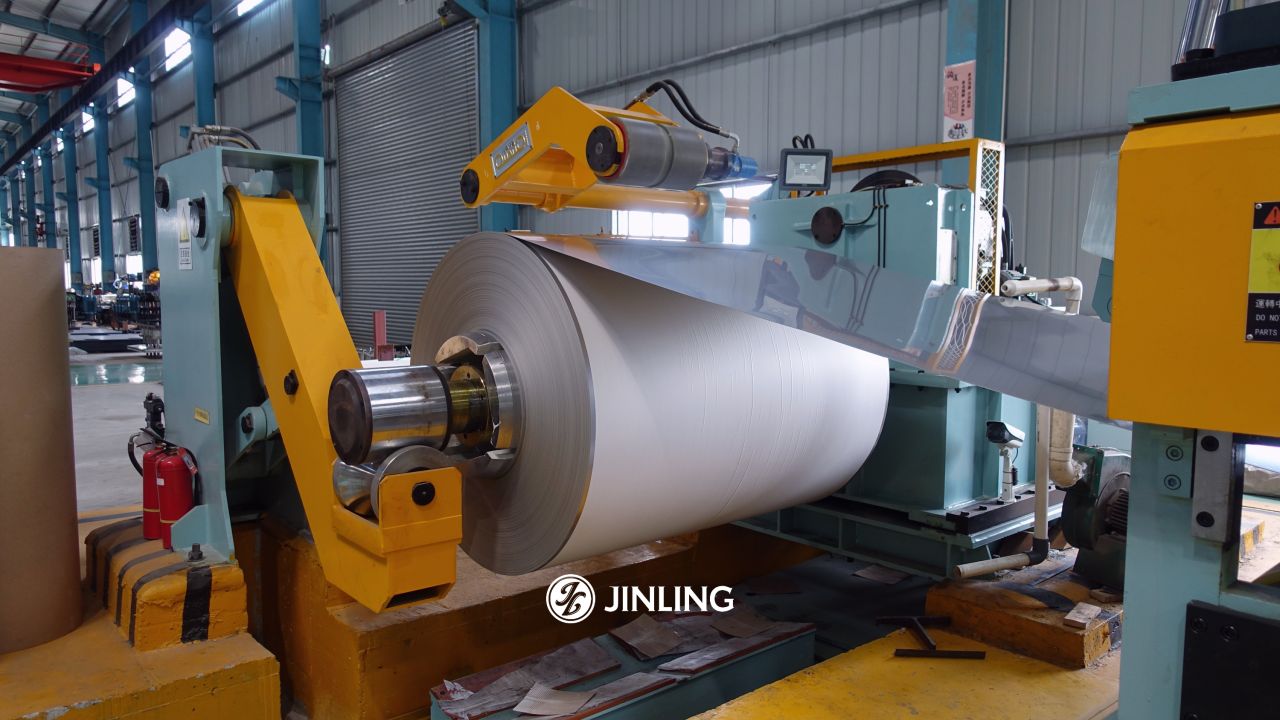
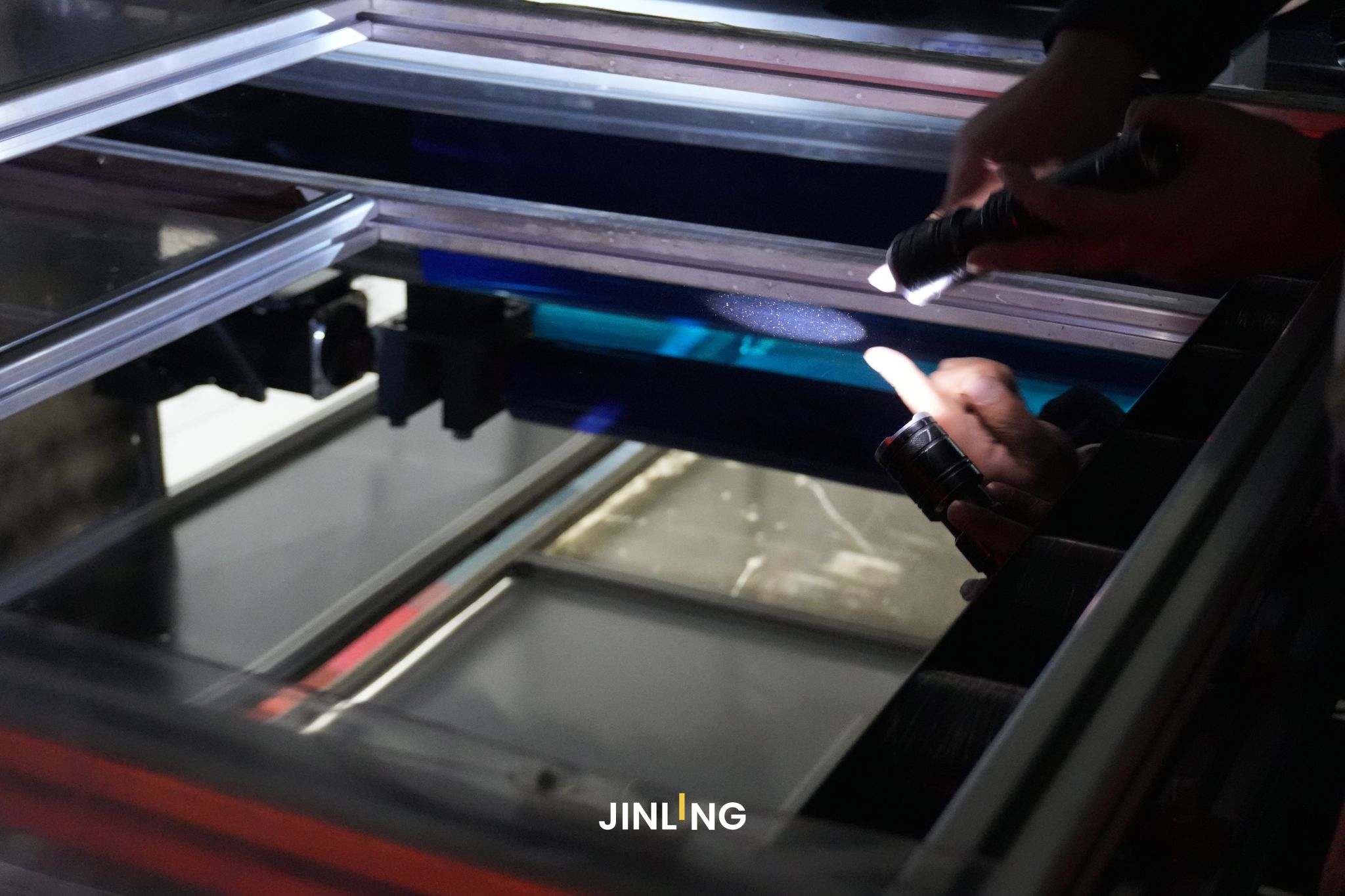
Cold-rolled stainless steel is stainless steel that has been reduced and finished at room temperature after earlier hot-rolling and annealing steps. For buyers, its value is simple: tighter thickness control, smoother surface options, and a cleaner starting material for fabrication.
But "cold rolled stainless steel" is not a complete purchasing specification. Before comparing prices, buyers still need to confirm the grade, finish, thickness tolerance, temper or annealed condition, edge condition, protective film, packing method, and certificate route.
If those details are missing, two suppliers can quote the same words while offering very different material. Start by separating the product form: cold-rolled stainless steel coil, stainless steel sheet, and slit strip are not released the same way.
Quick Answer for Buyers
Choose cold-rolled stainless steel when your application needs thin-gauge coil or sheet, controlled thickness, smoother surface, better flatness, or a base for 2B, BA, No.4, hairline, mirror, or AFP finishing.
Choose hot-rolled stainless steel when the job is thicker plate, structural base material, or a part that will be machined, blasted, or heavily fabricated later. For the route comparison, use hot-rolled vs cold-rolled stainless steel.
The most common buying mistake is treating "cold rolled" as enough information. In practice, the useful question is:
Cold rolled to what grade, finish, tolerance, condition, and release requirement?
Cold-Rolled Stainless Steel Buying Matrix
| Buyer need |
Usually better route |
What to write in the RFQ |
| General sheet fabrication |
2B cold-rolled sheet or coil |
Grade, thickness, tolerance, finish, MTC |
| Appliance or visible panel |
BA, No.4, hairline, mirror, or AFP route |
Finish target, grain direction, film, packing |
| Food or kitchen equipment |
304/316L cold-rolled 2B or polished route |
Grade, cleanable finish, fabrication route, MTC |
| Deep drawing or bending |
Annealed cold-rolled material |
Grade, bend/draw requirement, avoid unwanted hard temper |
| Precision strip or clips |
Temper-rolled stainless strip |
Tensile range, hardness, width tolerance, edge condition |
| Thick structural or plate part |
Hot-rolled plate route |
Plate standard, thickness, cut size, flatness, MTC |
Finish choice is part of the buying decision, not decoration at the end. Compare 2B cold-rolled sheet, BA stainless steel finish, No.4 brushed finish, hairline finish, and AFP finishing before locking the quote.
How Cold Rolling Changes the Material
Cold rolling reduces stainless steel below its recrystallization temperature. The strip is passed through rolls that reduce thickness and improve dimensional control. After that, the coil may be annealed, pickled, skin-passed, slit, leveled, cut to length, polished, or protected with film.
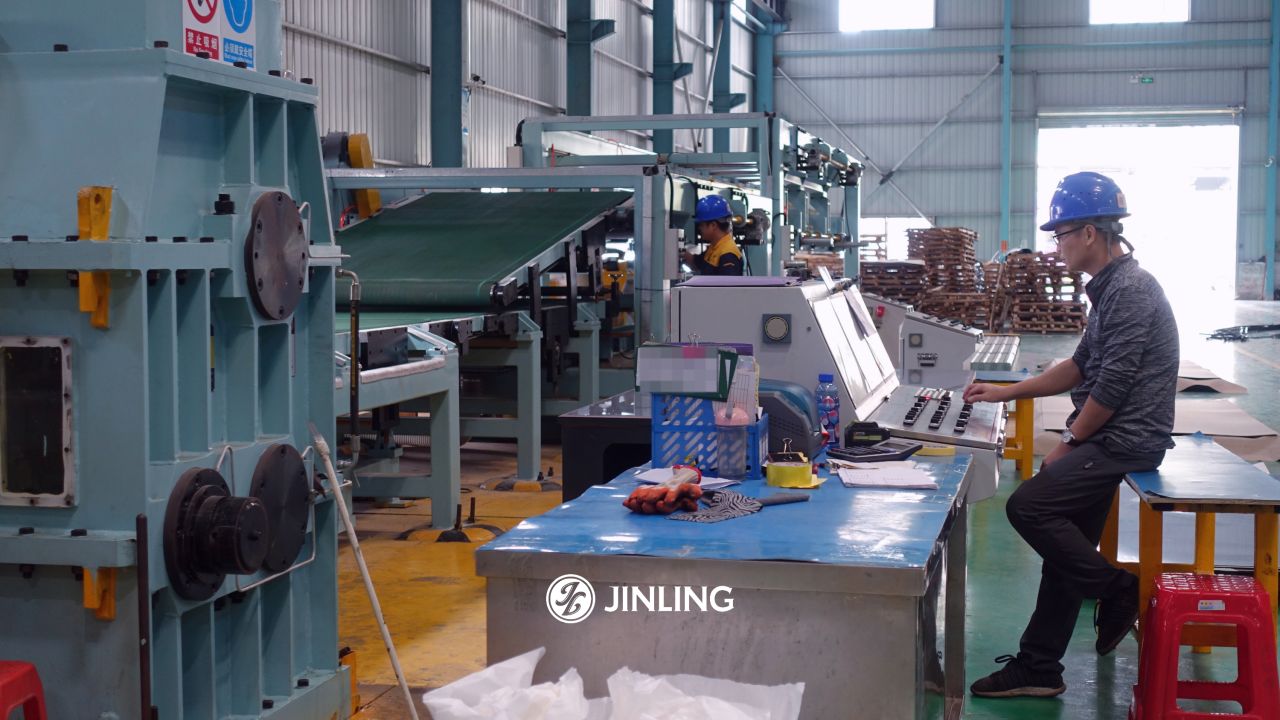
For buyers, the important point is not the mill theory. It is what the delivered material will do in the next process.
| What cold rolling changes |
Why buyers care |
| Thickness control |
Better fit-up for sheet metal parts, panels, tubes, and assemblies |
| Surface condition |
Base for 2B, BA, No.4, hairline, mirror, and AFP finishes |
| Strength and hardness |
Useful for spring strip, risky for bending if temper is wrong |
| Flatness and coil memory |
Affects laser cutting, panel release, and visible sheet installation |
| Edge and width control |
Critical for slit strip, roll forming, tube making, and repeat orders |
If coil needs to become release-ready sheet or narrow strip, include the downstream operation in the quote. Slitting and edging and cut-to-length stainless steel sheet can matter as much as the mill finish.
2B, BA, and Cold Rolled Are Different Decisions
Buyers often mix three different ideas:
- Cold rolled is the processing route.
- 2B is a common cold-rolled mill finish.
- BA is a bright annealed finish produced after cold rolling in a protective atmosphere.
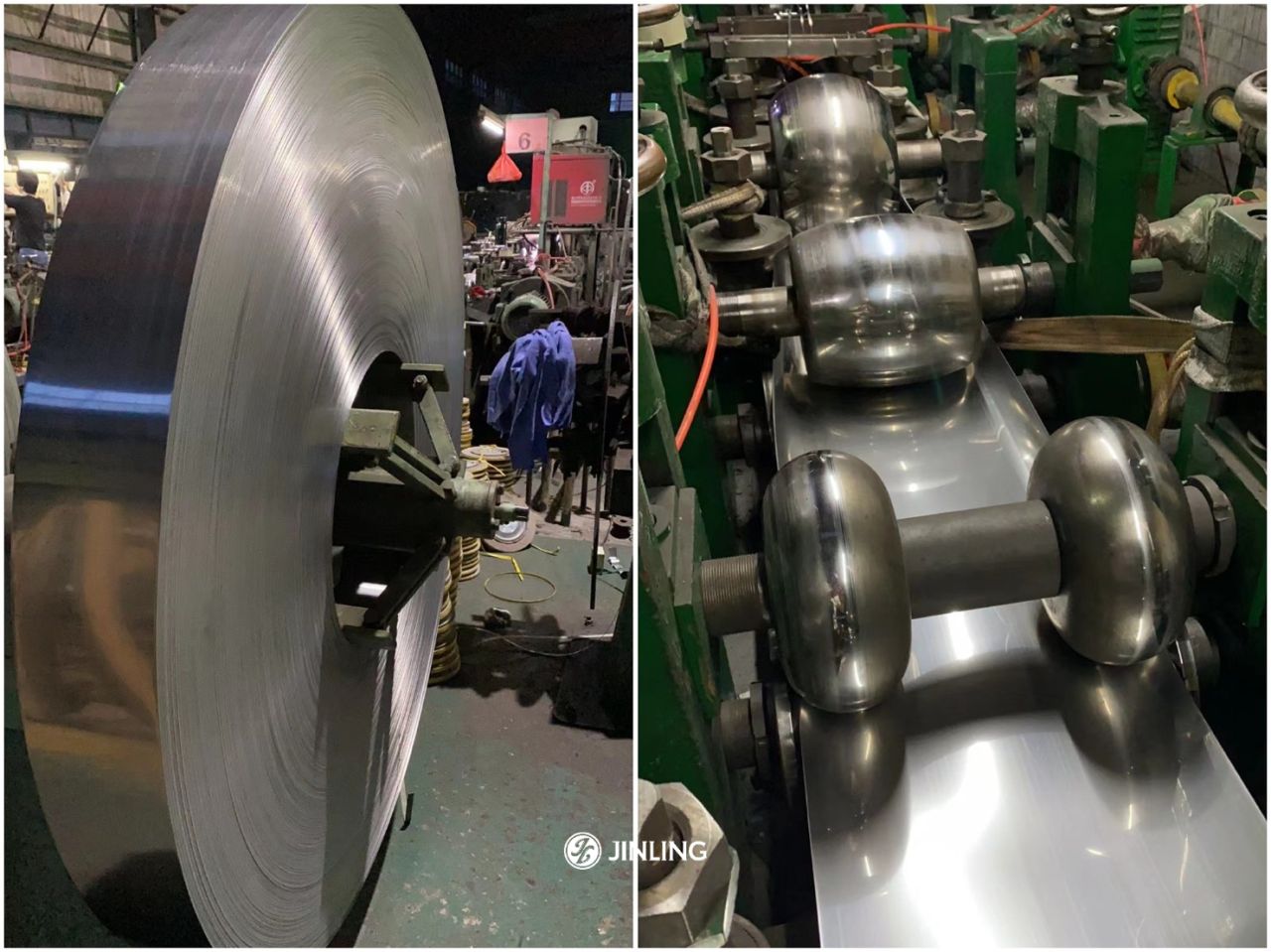
Worldstainless surface-finish guidance describes 2B as a general-purpose cold-rolled finish made with a final light cold rolling pass after annealing and descaling. BA is smoother and brighter because it is bright annealed in a controlled atmosphere after cold rolling.
That is why "304 cold rolled" is incomplete. It tells the supplier the route, but not the finish, final condition, or inspection basis.
A clearer RFQ line is:
304/304L cold-rolled stainless steel coil, 2B finish, annealed condition, ASTM A240/A480 or agreed equivalent, 1.0 mm x 1219 mm, thickness tolerance per agreed standard, MTC by heat number, PVC film if visible face.
The same structure works for 304/304L stainless steel, 316L stainless steel, 430 stainless steel, and 201 stainless steel. The grade changes the corrosion and forming behavior; the cold-rolled route defines the delivered format and surface path.
What Suppliers Often Skip
Most cold-rolled stainless steel disputes do not start with the grade name. They start with details that were never written into the PO.
Common gaps include:
- the buyer expects no-minus thickness, but the quote follows normal mill tolerance;
- the material is 2B, but the installed face needed BA, No.4, hairline, mirror, or AFP;
- the coil meets chemistry, but the temper is too hard for bending or drawing;
- sheet cutting is unstable because flatness or coil memory was not discussed;
- visible panels scratch during export because film and packing were treated as optional;
- the MTC proves chemistry, but not surface, edge, film, or actual thickness records.
For release language, connect the order to stainless steel thickness tolerance, a readable mill test certificate, protective film, and export packing.
What Evidence Should Buyers Ask For?
| Evidence |
What it helps prove |
When it matters most |
| Mill Test Certificate |
Heat number, chemistry, mechanical properties where applicable |
Grade verification and claim control |
| Standard reference |
ASTM, EN, JIS, GB, or order-specific equivalent |
Tolerance and material rulebook |
| Actual thickness record |
Whether delivered gauge matches the buyer's release expectation |
Thin-gauge, no-minus, precision sheet |
| Surface photo or approved sample |
Whether finish and visible side match expectation |
BA, No.4, hairline, mirror, AFP |
| Slitting or cut-to-length record |
Width, burr, edge, length, flatness |
Strip, sheet, tube feedstock |
| Packing photo |
How the visible face is protected before shipment |
Decorative panels and export orders |
This evidence does not make the order complicated. It prevents the supplier from guessing what "good quality" means.
Better RFQ Wording
Weak RFQ:
304 cold rolled stainless sheet, 1.0 mm, good quality.
Better RFQ:
304/304L cold-rolled stainless steel sheet, 2B finish, annealed condition, 1.0 mm x 1219 mm x 2438 mm, thickness tolerance per ASTM A480 or agreed equivalent, PVC film on one side, MTC by heat number, export packing suitable for visible sheet.
For decorative sheet:
304 cold-rolled stainless steel sheet, No.4 brushed finish, grain direction lengthwise, PVC film for laser cutting, surface photos before shipment, export wooden packing, MTC required.
For precision strip:
301/304 cold-rolled stainless steel strip, specified temper and tensile range, slit width tolerance agreed before production, edge burr direction controlled, coil ID and packing confirmed, MTC required.
When Should Buyers Choose Coil, Sheet, or Strip?
Use cold-rolled stainless steel coil when the buyer needs line-feed material, downstream slitting, tube making, roll forming, or later cut-to-length processing.
Use stainless steel sheet when the buyer needs leveled panels, laser blanks, cut parts, or visible finished sheets that should arrive close to final release condition.
Use slit strip when width tolerance, burr direction, coil ID, and repeat order stability matter more than large-width coil flexibility. That is where slitting and edging should be discussed before production, not after arrival.
Bottom Line
Cold-rolled stainless steel gives buyers control over gauge, surface, and downstream processing. That control is valuable only when the RFQ defines the exact route.
Before comparing prices, confirm:
- grade;
- finish;
- thickness tolerance;
- annealed or temper condition;
- edge and flatness requirement;
- protective film;
- packing;
- MTC and inspection evidence.
If a quote only says "cold rolled stainless steel," the most important buying decisions are still missing. For a real order, start with stainless steel coil, stainless steel sheet, ask for a technical review, or request a quote.