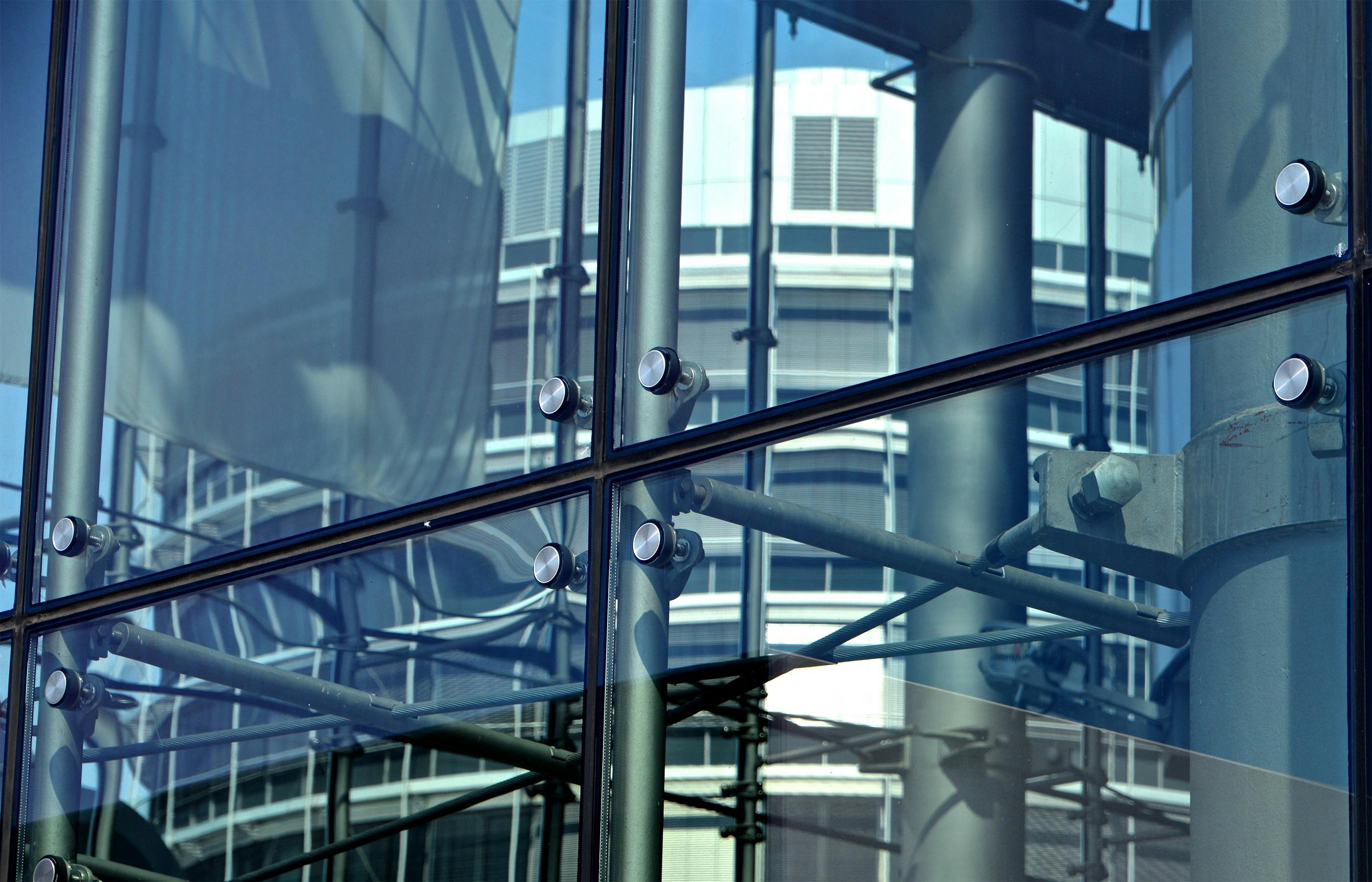
01
Facade Cladding
Stainless steel facade panels for commercial buildings, public spaces, transportation hubs, and premium exterior walls.
Application Lines
Jinling Steel supplies stainless steel for architectural projects where visual consistency, corrosion resistance, panel flatness, and installation efficiency matter. From facade cladding and wall panels to ceilings, column covers, decorative trims, and public-space metalwork, we help buyers match the right stainless steel grade, surface finish, protective film, and processing route before shipment.
Architectural stainless steel is selected for projects that need long service life, clean appearance, weather resistance, and low maintenance. The final material choice depends on whether the steel is used outdoors, indoors, near coastal environments, or as a decorative visible surface.
01
Stainless steel facade panels for commercial buildings, public spaces, transportation hubs, and premium exterior walls.
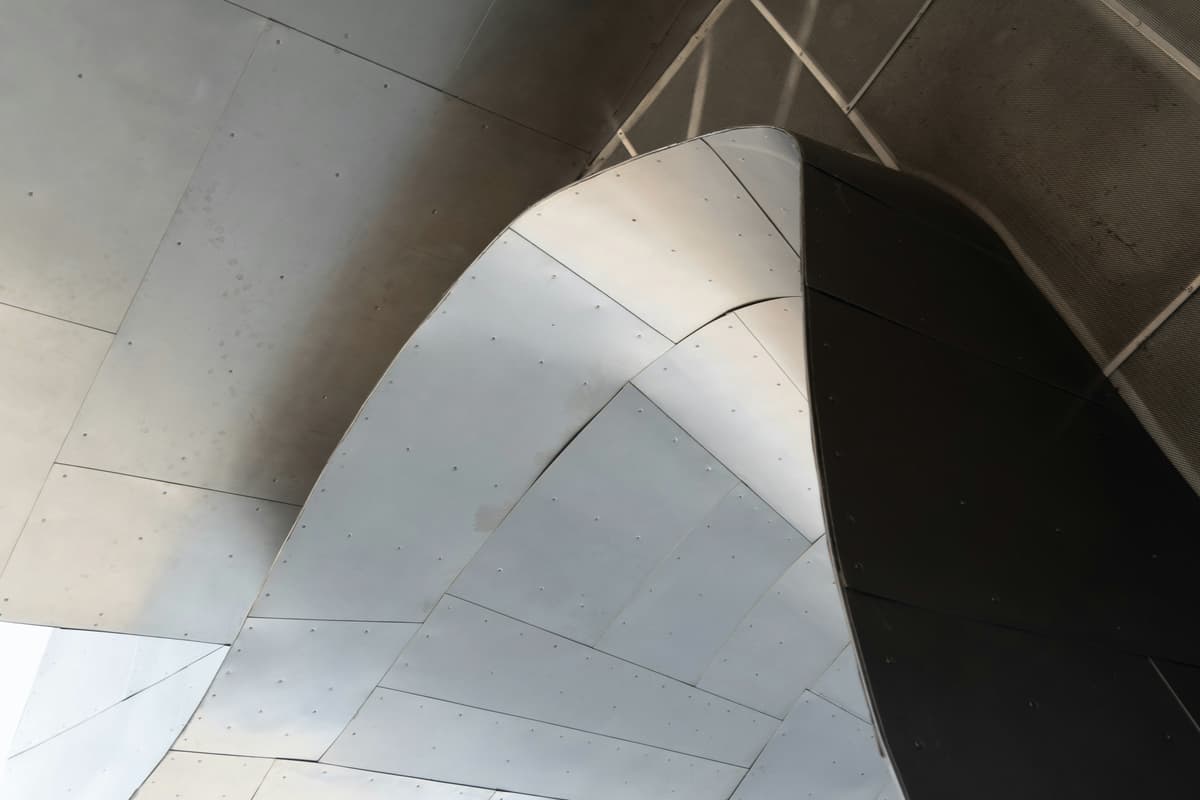
02
Decorative stainless steel wall panels for lobbies, corridors, retail interiors, and high-traffic indoor areas.
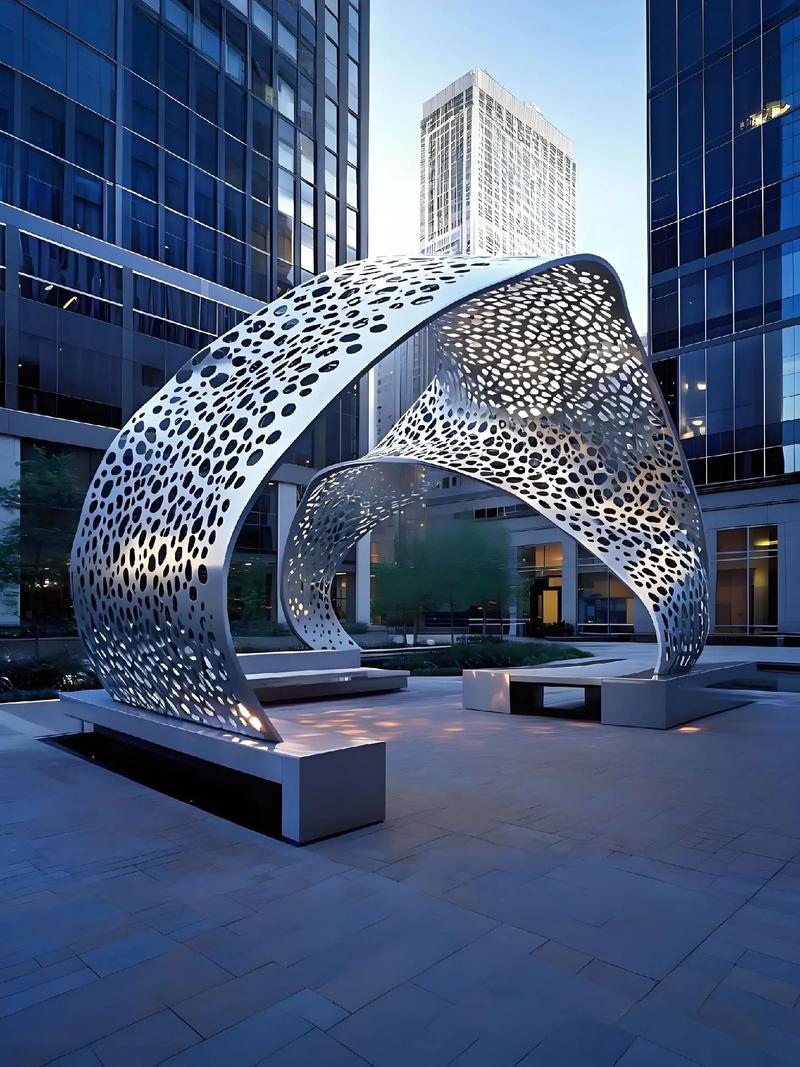
03
Brushed or mirror stainless steel ceiling panels where flatness, reflection, and surface direction need to remain consistent.
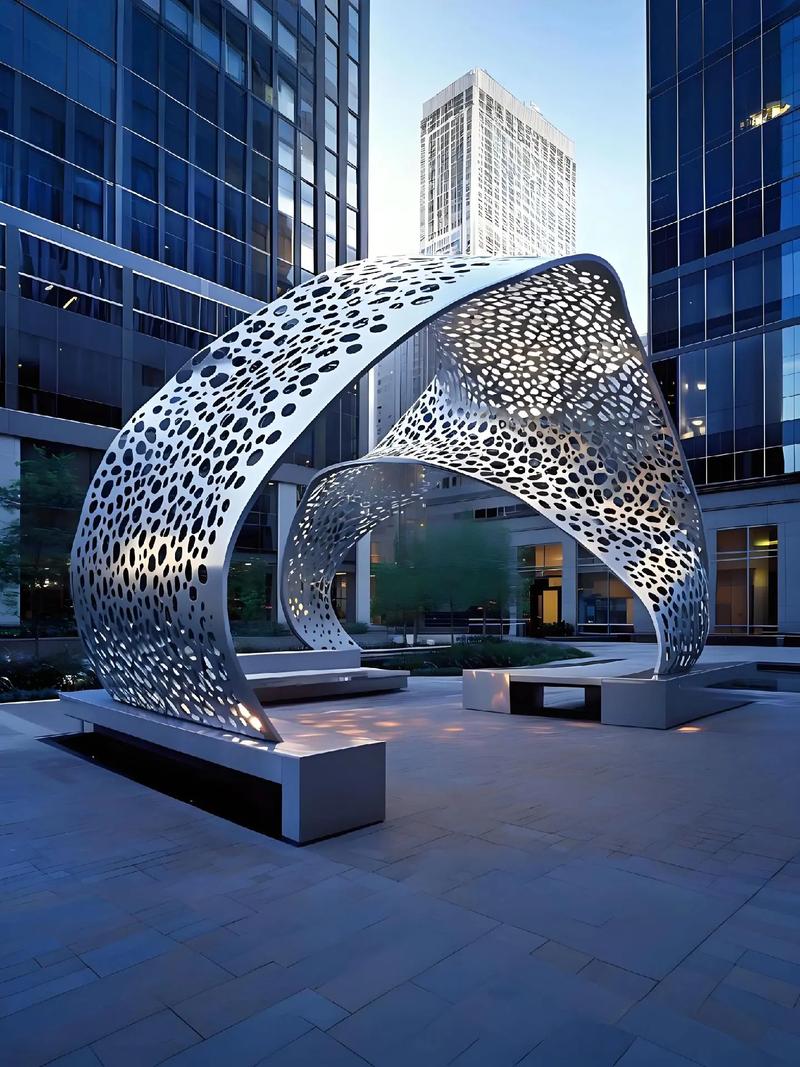
04
Formed stainless steel column covers requiring good bendability, surface protection, and clean edge finishing.
05
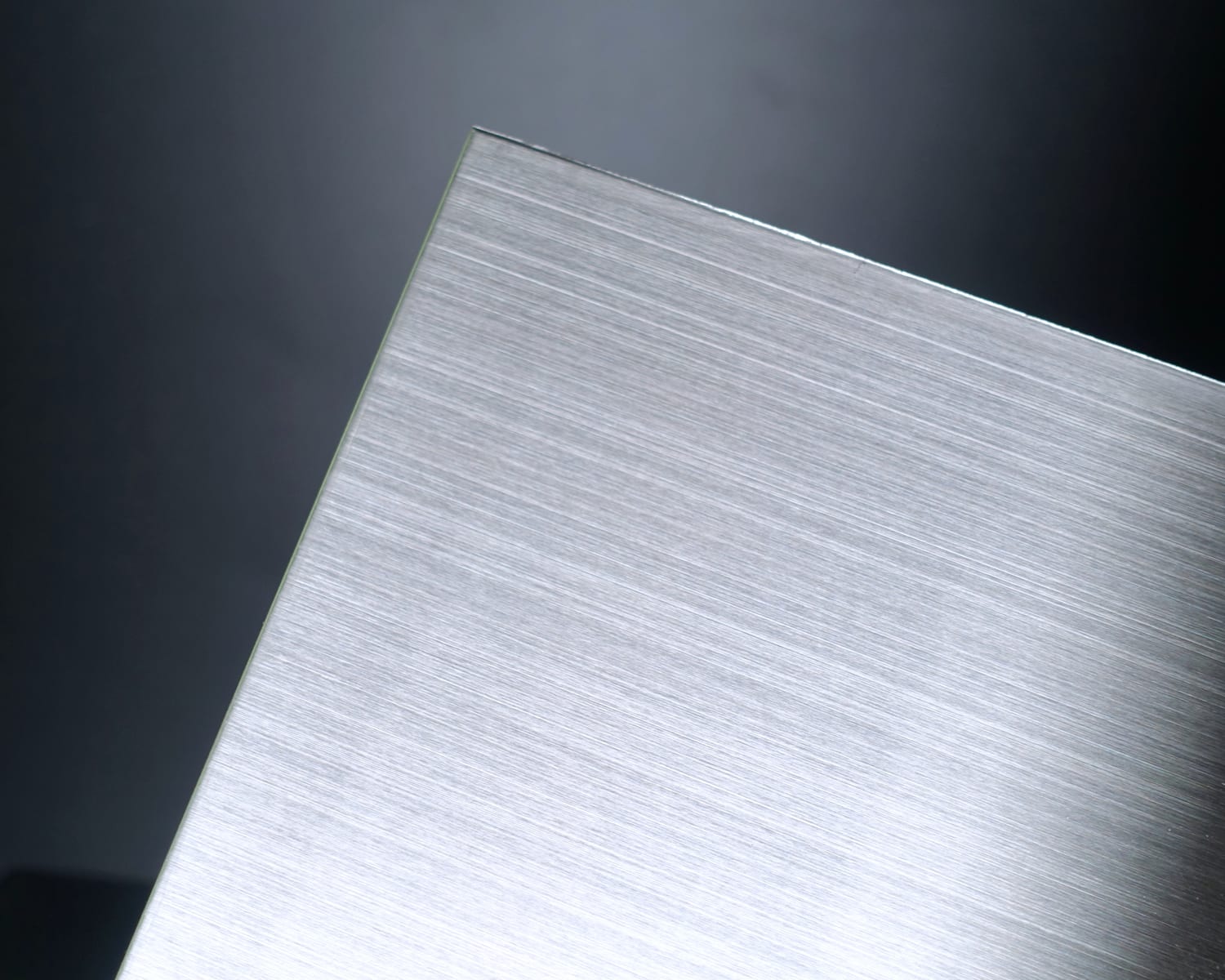
Hairline, No.4, mirror, or PVD stainless steel trims for architectural detailing.
06
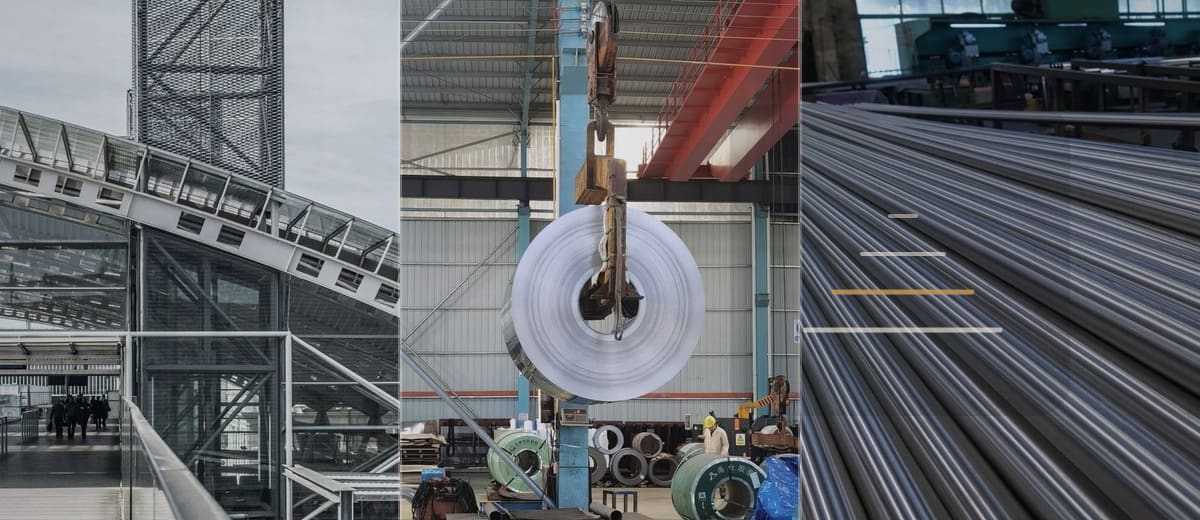
Stainless steel used in humid or chloride-exposed environments where grade selection is critical.
Architectural stainless steel route by exposure, finish, and processing need
| Application Area | Decision Link | Key Requirement | Recommended Route |
|---|---|---|---|
| Exterior facade panels | Sheet | Weather resistance, visual consistency | 304 / 316L sheet, No.4, hairline, bead blast, PVD |
| Coastal architecture | 316L | Chloride corrosion resistance | 316L or duplex stainless steel depending on exposure |
| Interior wall cladding | Protective Film | Clean finish, scratch protection | 304 sheet, hairline / No.4 / AFP, protective film |
| Ceiling panels | Cut-to-Length | Flatness and directional finish | Cut-to-length sheet, consistent grain direction |
| Column covers | Surface Finishing | Formability and surface protection | Sheet with film, controlled bending route |
| Decorative trims | Slitting & Edging | Edge quality and narrow-width consistency | Slitting and edging route |
For architectural stainless steel projects, the key decision is not only the material grade. Buyers also need to confirm surface appearance, flatness, protective film, cutting route, packing method, and batch consistency before production.
Selecting stainless steel for architectural projects means balancing grade, surface finish, panel processing, protective film, and packing with the project environment, maintenance plan, and visible design requirements.
Choose 304 stainless steel for general indoor architectural panels, wall cladding, ceilings, and decorative trims where corrosion exposure is moderate.
Choose 316L stainless steel for exterior architecture, coastal buildings, humid environments, and projects exposed to chloride or cleaning chemicals. 316L stainless steel
Choose hairline or No.4 finish when the project needs a refined brushed appearance with reduced fingerprint visibility. Hairline finish
Choose 8K mirror finish for premium decorative panels, reflective ceilings, elevator lobbies, and luxury interiors. 8K mirror finish
Choose AFP coating when high-touch architectural surfaces need easier cleaning and better fingerprint resistance. AFP finish
Choose protective film and export packing when panels will be cut, bent, installed, or shipped across long distances. Packaging logistics