01
Cleanroom Wall Panels
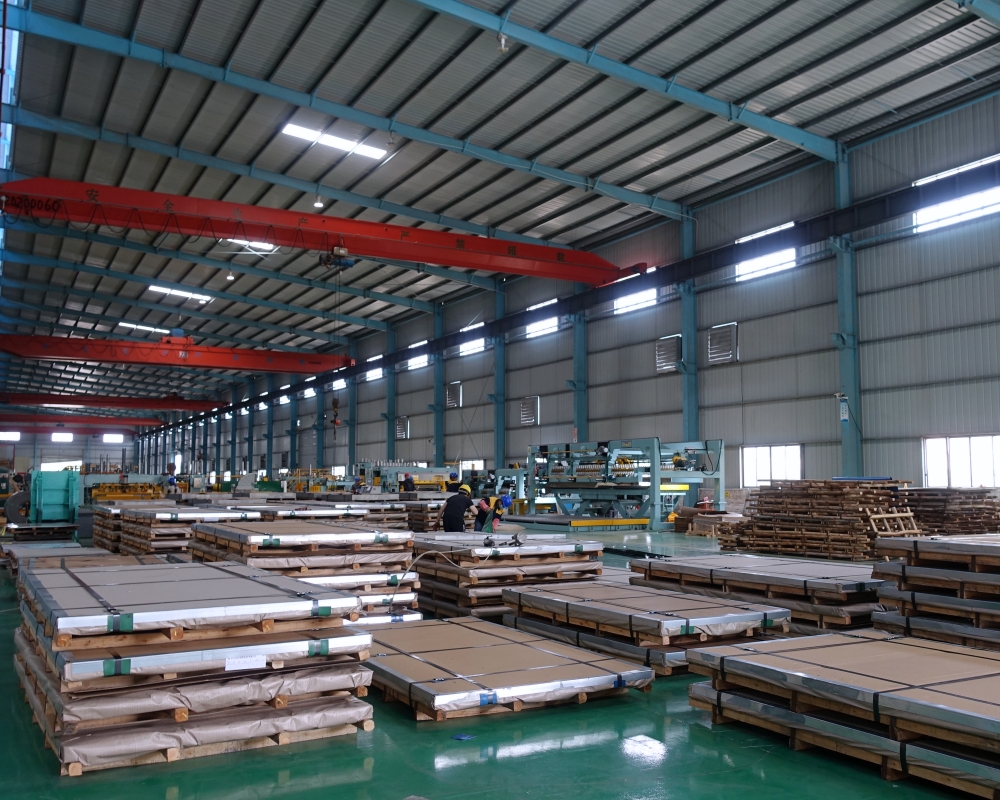
Stainless steel cleanroom wall panels require smooth surfaces, controlled appearance, cleanability, and protection from scratches before installation. Sheet
Application Lines
Jinling Steel supplies stainless steel for medical and pharmaceutical equipment where cleanability, corrosion resistance, contamination control, weld quality, and surface consistency are critical. From cleanroom panels and sterile worktables to process piping, equipment frames, cabinets, wash areas, and controlled production environments, we help buyers choose the right stainless steel grade, surface finish, sheet or tube route, protective film, and packing method before production.
Medical and pharmaceutical stainless steel is selected by contamination risk, cleaning method, exposure to chemicals, fabrication route, and whether the surface is used in a cleanroom, product-contact, or support-equipment area.
01
Stainless steel cleanroom wall panels require smooth surfaces, controlled appearance, cleanability, and protection from scratches before installation. Sheet
02
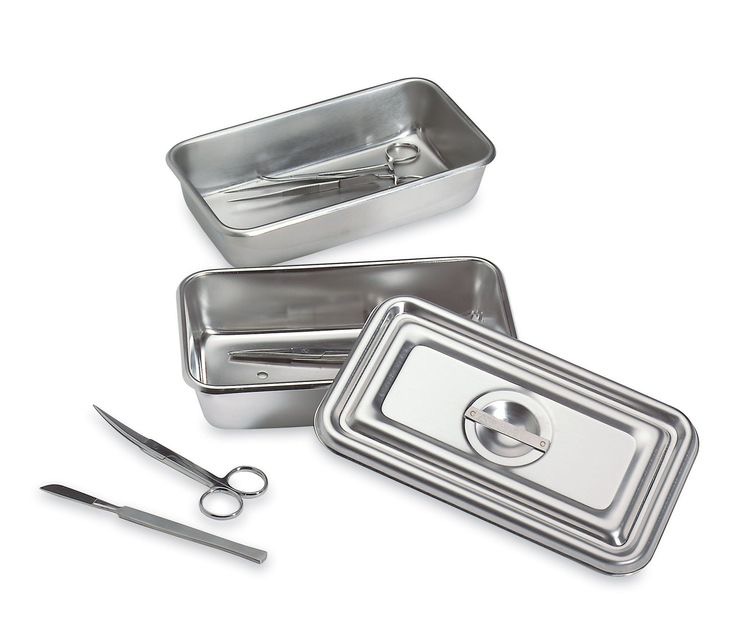
Medical and pharma worktables need stainless steel surfaces that support regular cleaning, stable corrosion resistance, and low residue risk.
03
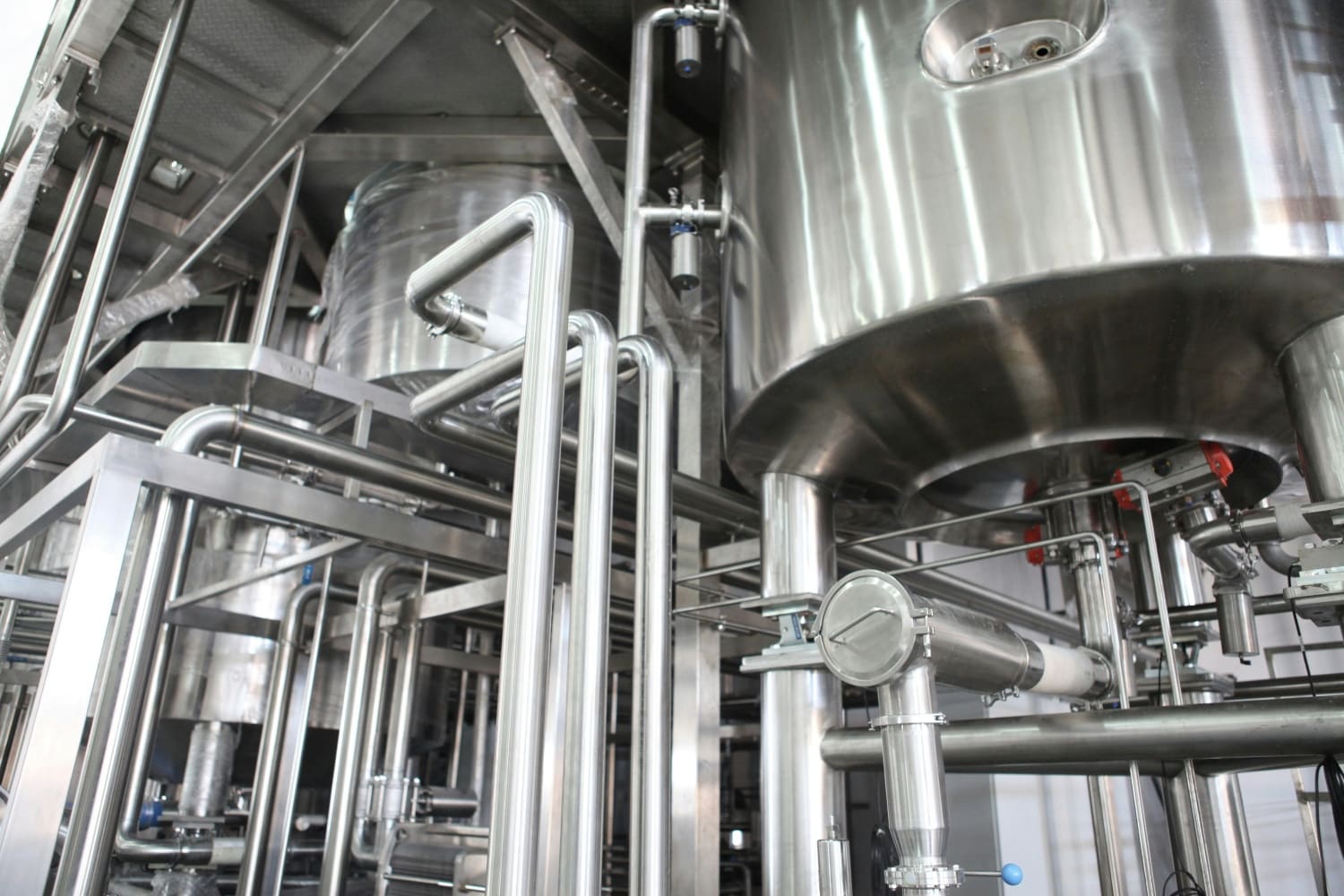
Pharmaceutical process piping requires hygienic tube routes, controlled weld treatment, and internal surface quality for clean product transfer. Tube & Pipe
04
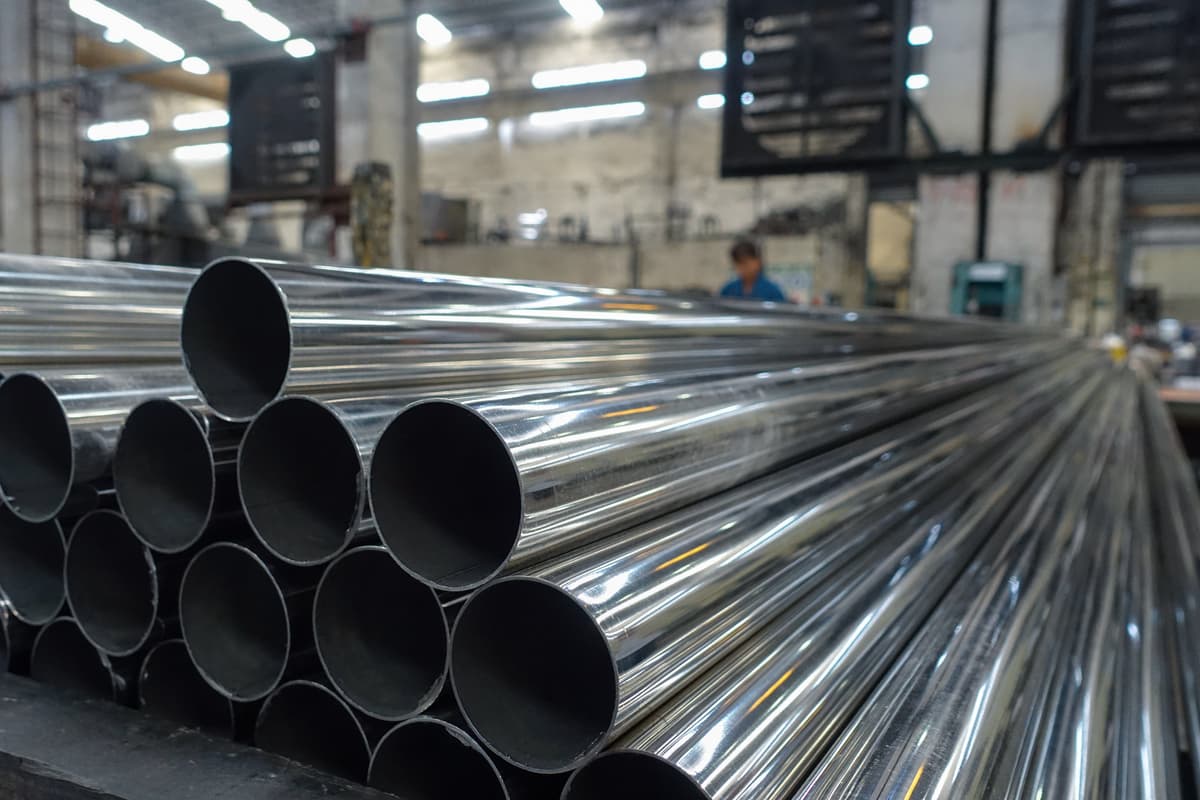
Stainless steel equipment frames and supports need fabrication stability, cleanable geometry, and durability in controlled production areas.
05
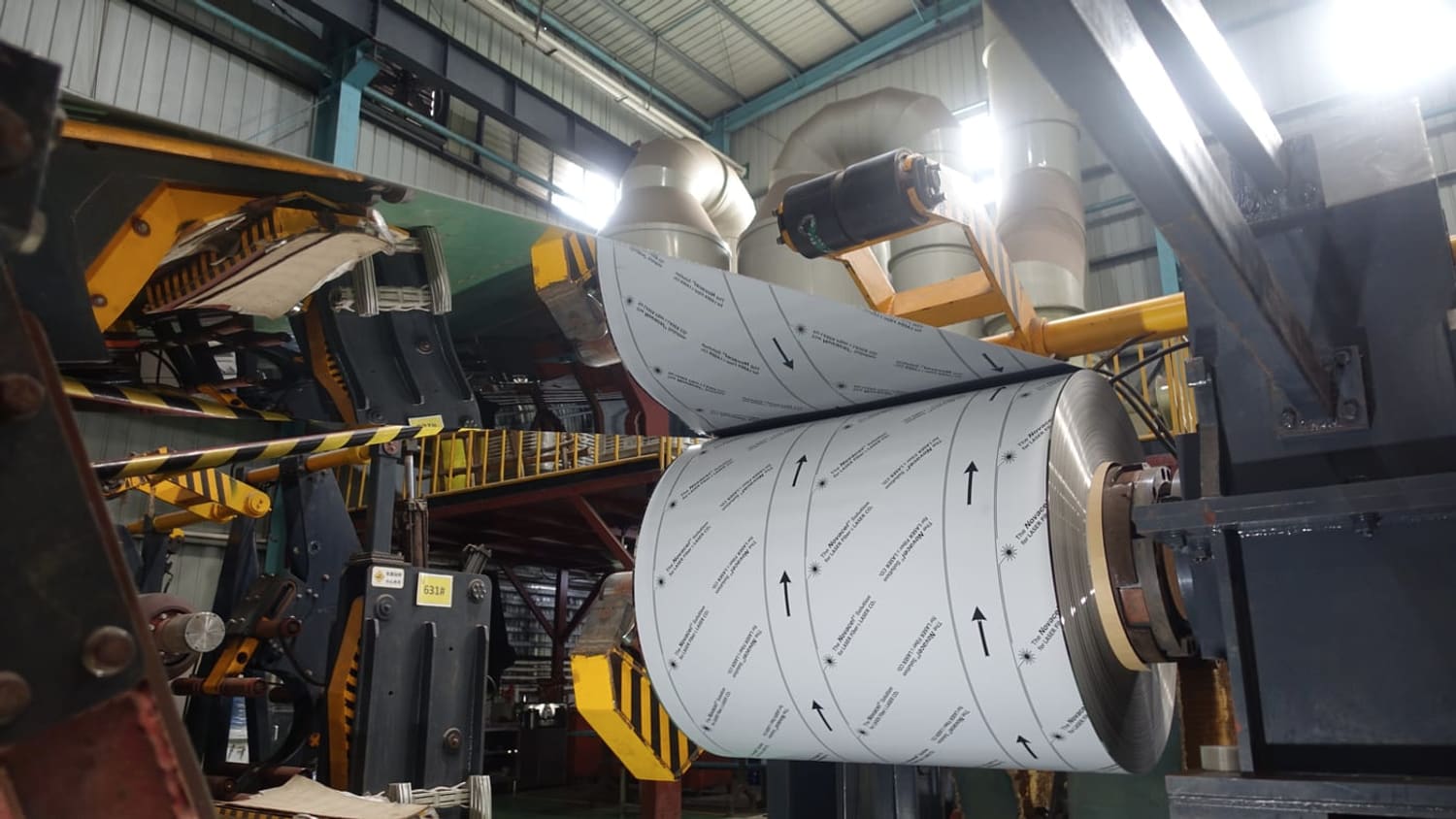
Stainless steel cabinets, doors, drawers, and storage units require clean surfaces, scratch protection, and consistent visible finish. Protective Film
06
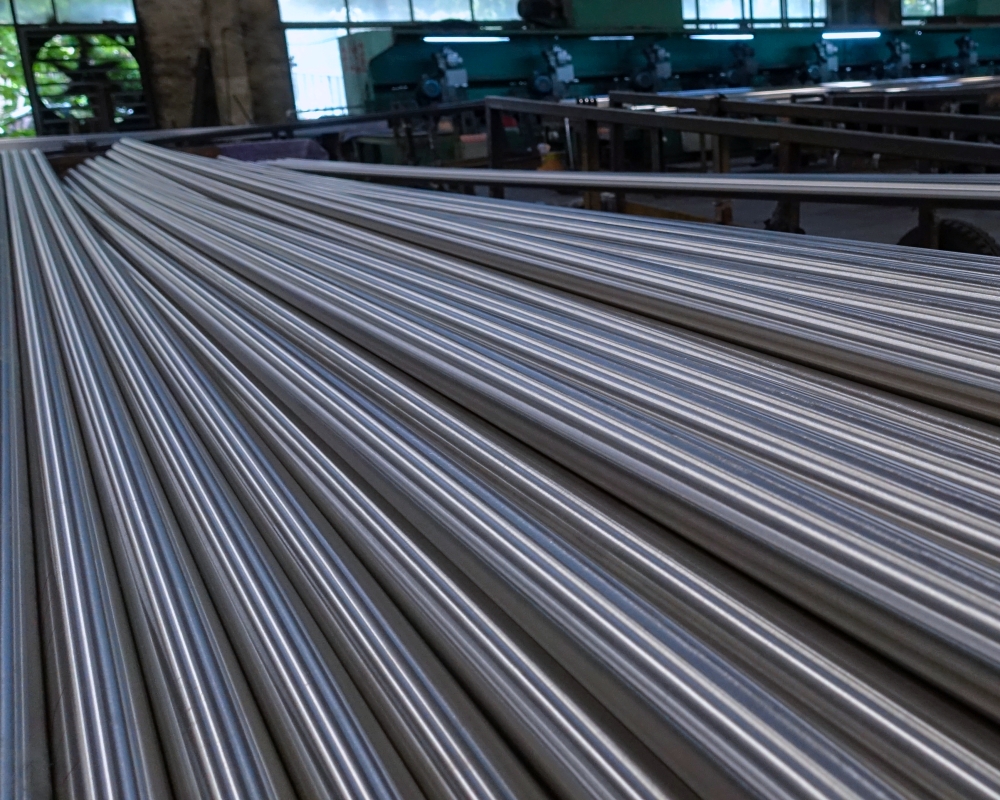
Wet cleaning and sterilization zones often require stronger corrosion resistance where chemicals, moisture, and repeated cleaning cycles are present. 316L stainless steel
Medical and pharmaceutical stainless steel route by controlled zone, contact type, and cleaning risk
| Controlled Zone | Decision Link | Contact Type | Cleaning Risk | Recommended Route |
|---|---|---|---|---|
| Cleanroom wall panels | Sheet | Non-product cleanroom surface | Scratch control, clean appearance, contamination prevention | 304 / 316L sheet, 2B or brushed finish, protective film |
| Sterile worktables | 316L | Direct or near-product surface | Frequent cleaning, residue control, surface damage risk | 304 / 316L sheet, 2B / No.4 / polished finish |
| Process piping | Tube & Pipe | Internal transfer | Internal cleanliness, weld quality, cleaning chemistry | Hygienic tube or pipe route with controlled surface quality |
| Equipment frames | Tube | Support structure | Cleaning access, fabrication durability, crevice risk | 304 / 316L tube, sheet, or formed parts |
| Medical cabinets | AFP | Visible and functional surface | Scratches, fingerprints, cleaning frequency | 304 sheet, No.4 / hairline / AFP, protective film |
| Wash and sterilization areas | 316L | Wet exposure | Chemicals, moisture, corrosion risk | 316L review for aggressive cleaning or sterilization environments |
Medical and pharmaceutical stainless steel selection should consider cleanroom use, product contact, cleaning chemicals, weld treatment, surface finish, contamination control, and whether the material will be supplied as sheet, tube, or fabricated parts.
The best stainless steel route depends on cleanroom class expectations, product contact, cleaning chemicals, wet exposure, fabrication method, and whether the equipment requires sheet, tube, or hygienic process piping.
Choose 304 stainless steel for general medical cabinets, equipment frames, cleanroom panels, and controlled indoor support structures where corrosion exposure is moderate.
Choose 316L stainless steel when equipment is exposed to stronger cleaning chemicals, sterilization cycles, humid environments, chloride exposure, or higher corrosion-risk pharmaceutical processing conditions.
Use stainless steel sheet for cleanroom panels, cabinets, worktables, covers, and equipment skins. Use tube or pipe routes where support frames, transfer lines, or hygienic process piping are required.
Choose 2B, No.4, hairline, polished, or AFP stainless steel finish based on cleanability, touch frequency, visible surface needs, and residue risk.
Cut-to-length, bending, welding, forming, and edge finishing should be planned before protective film and packing are finalized.
Choose protective film and suitable export packing when stainless steel sheets, panels, cabinets, or frames will be fabricated, assembled, or shipped long distances.