Cost-sensitive austenitic grades
200 Series
201 / 202
Used mainly for dry indoor decorative stainless steel sheet, budget panels, trims, and applications where corrosion exposure is limited.
Stainless steel grade supplier
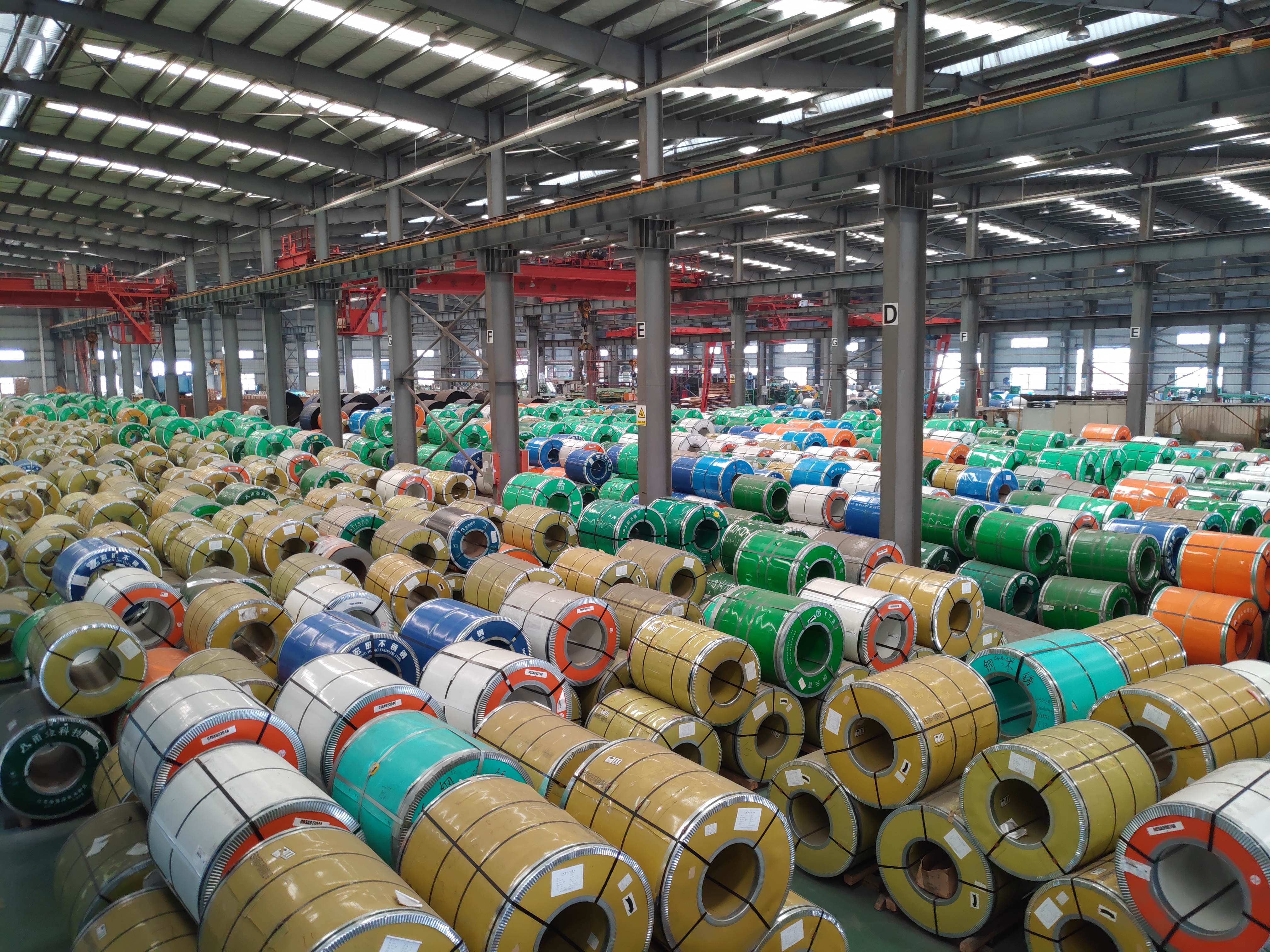
Jinling Metals helps buyers compare stainless steel grades by corrosion resistance, fabrication method, surface finish, cleaning environment, food-contact requirement, decorative use, and export documentation. From 304 stainless steel and 316L stainless steel to 430, 201, 200 series, 300 series, 400 series, and 2205 duplex stainless steel, the grade decision should match the real application before production starts.
Grade Need Navigation
Buyers usually search for stainless steel grades through working conditions: wet exposure, food contact, decorative panels, cost control, marine corrosion, or exhaust heat. Start from the requirement first, then confirm the grade, product form, surface finish, and protection route.
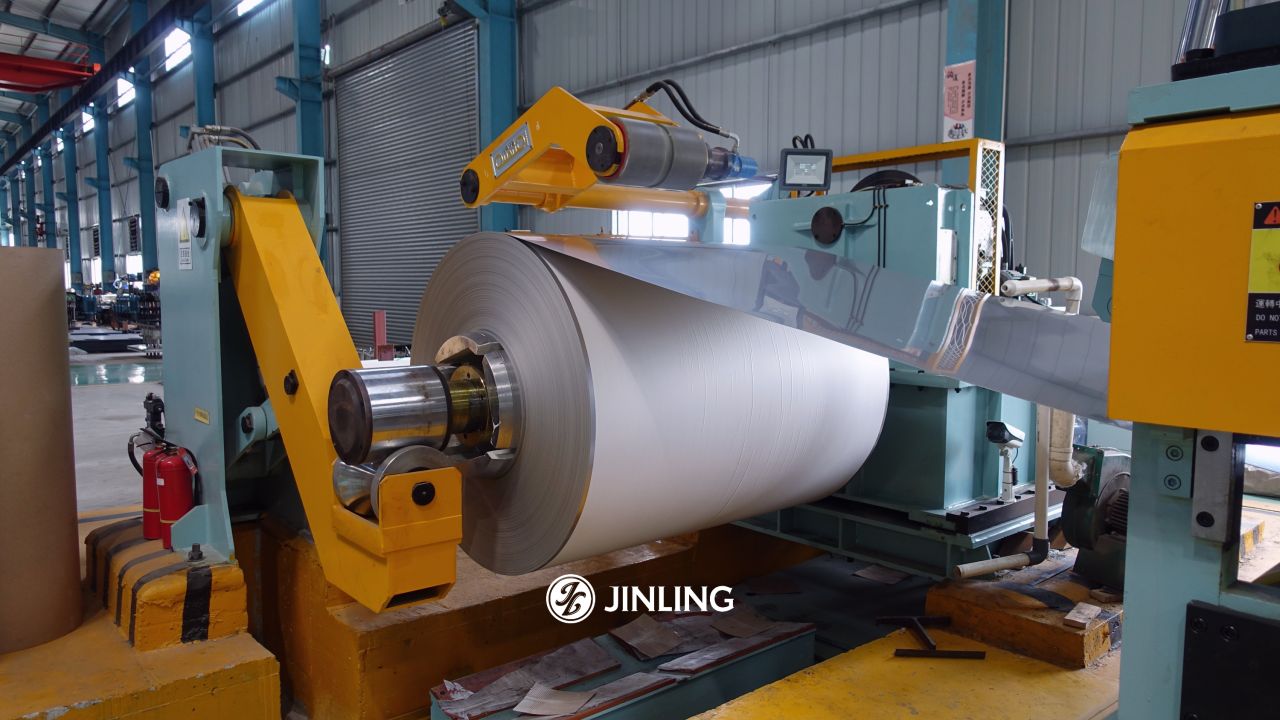
Start with 304 stainless steel for general sheet, coil, equipment panels, frames, cabinets, kitchen equipment, and indoor fabrication.
304 stainless steel
Move to 316L stainless steel when chloride cleaners, wet exposure, coastal air, acidic media, or stronger cleaning cycles increase corrosion risk.
316L stainless steel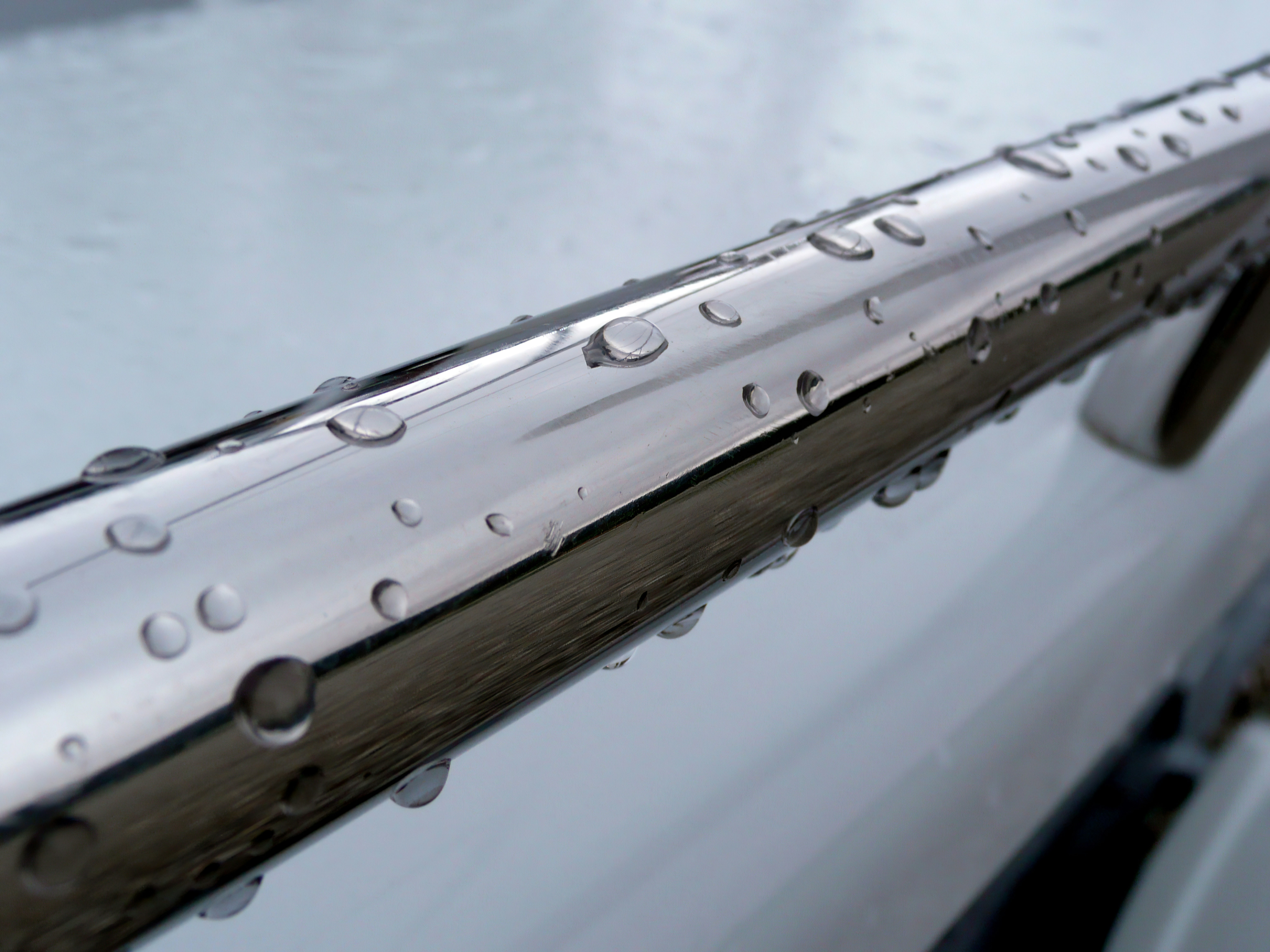
Review 430 or 201 stainless steel for dry decorative panels, appliance skins, indoor trims, and cost-sensitive visible sheet applications.
430 stainless steel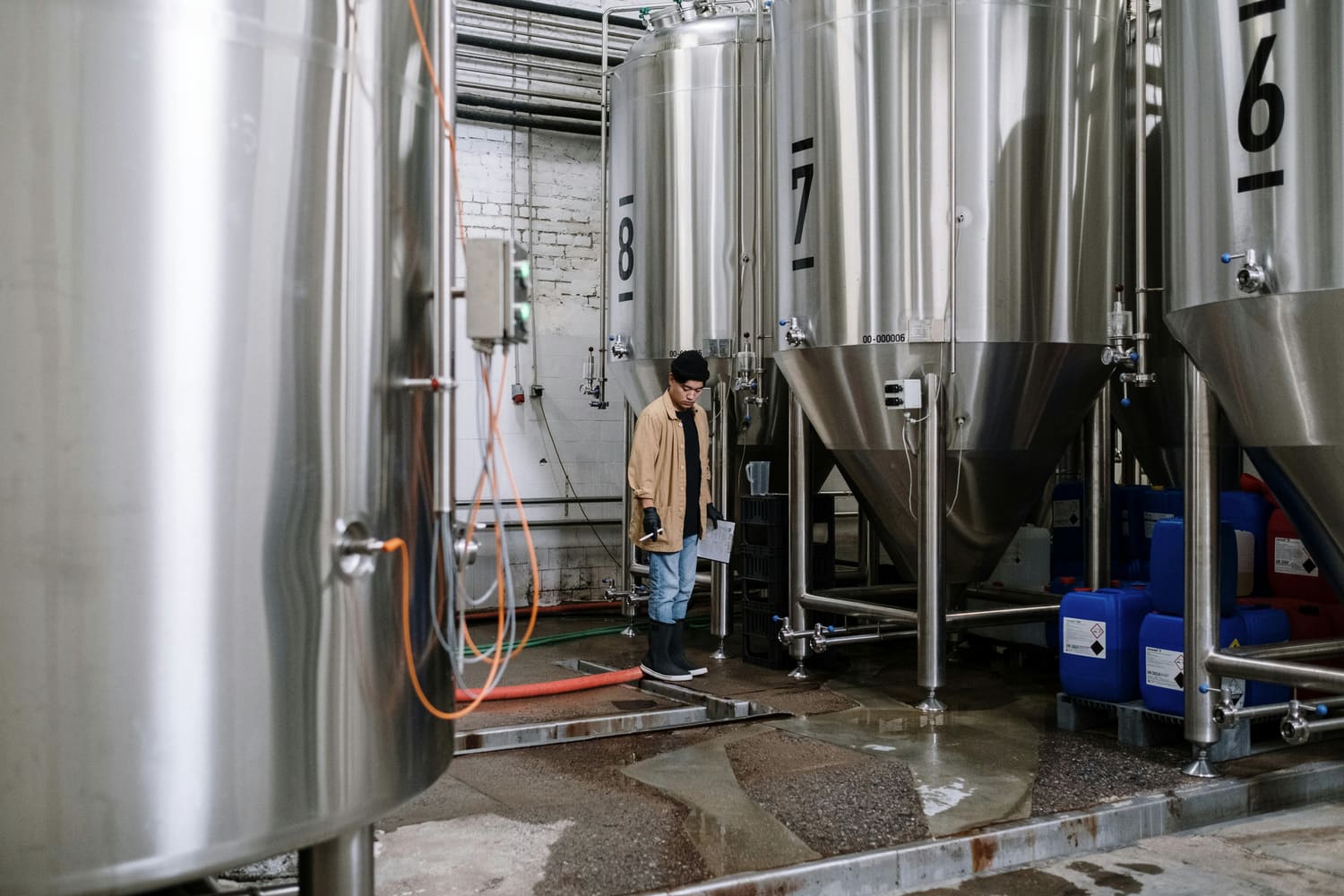
Use 304 or 316L stainless steel for food-contact areas, washdown zones, sanitary tube routes, cleanable panels, and hygienic fabrication.
Food application route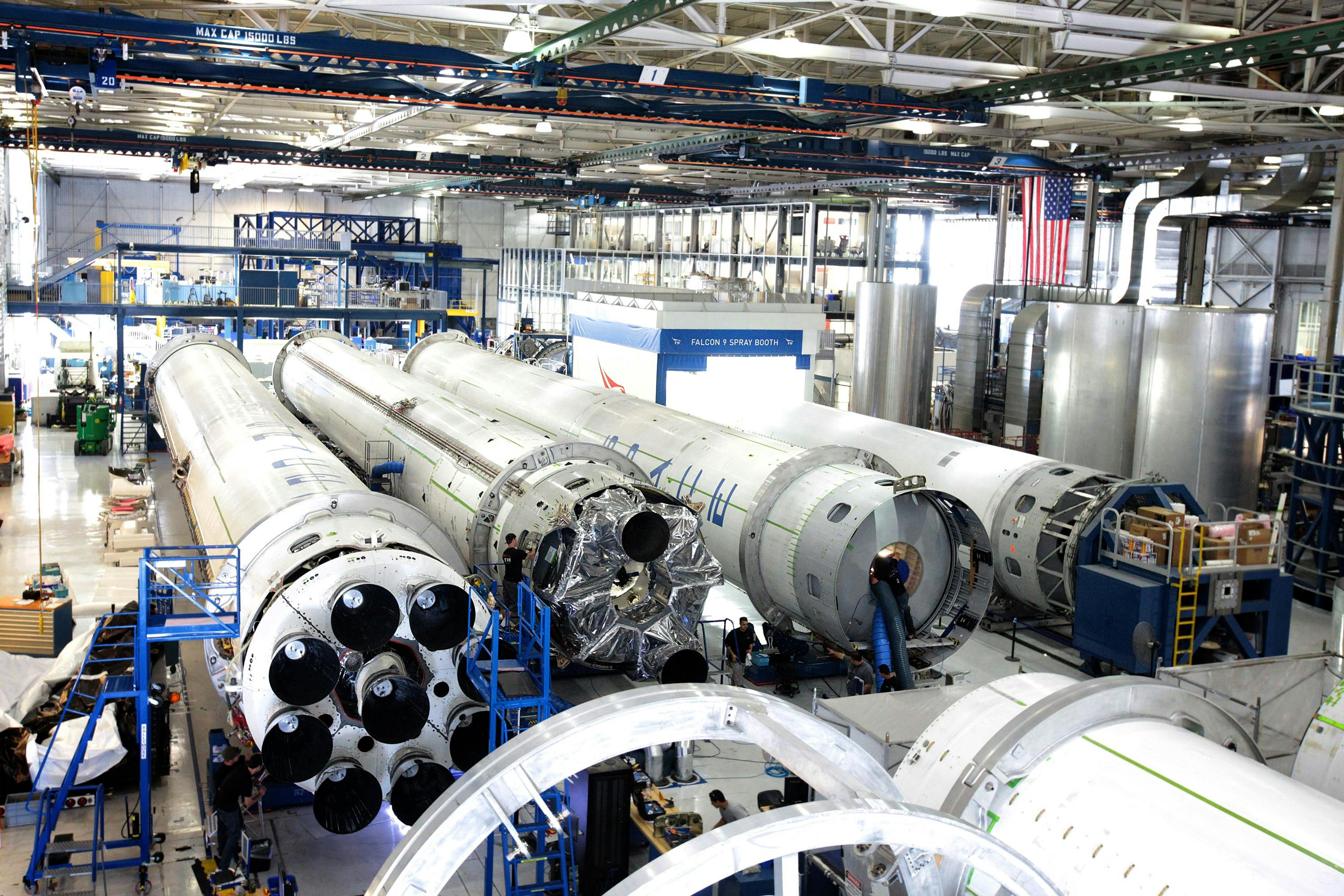
Compare 316L and 2205 duplex stainless steel for chloride exposure, brine, chemical process, offshore conditions, and higher corrosion demand.
2205 duplex
Use 400 series stainless steel routes such as 409, 430, or 441 when automotive exhaust, heat shields, or heat-related fabricated parts define the choice.
Automotive exhaustGrade Family Map
A grade page should help buyers understand the family route before choosing a specific material. 200 series, 300 series, 400 series, and duplex stainless steel each solve different cost, corrosion, fabrication, and application problems.
Cost-sensitive austenitic grades
201 / 202
Used mainly for dry indoor decorative stainless steel sheet, budget panels, trims, and applications where corrosion exposure is limited.
Main corrosion-resistant route
304 / 304L / 316L
The most common stainless steel grade family for sheet, coil, tube, food equipment, architecture, kitchen equipment, medical use, and general fabrication.
Ferritic and martensitic options
409 / 410 / 420 / 430 / 441
Used for magnetic decorative sheet, appliance panels, automotive exhaust parts, heat-related components, and cost-controlled stainless routes.
Higher strength and chloride resistance
2205
Used when oil and gas, chemical process, water treatment, marine, or chloride-bearing environments require more corrosion margin than 316L.
Grade Selection Matrix
The right stainless steel grade depends on corrosion risk, cleaning method, cost target, product form, welding, surface appearance, and final application. This matrix connects common buyer requirements with practical grade routes and internal decision links.
Grade route by buyer requirement and application environment
| Buyer Requirement | Decision Link | Grade Route | Why It Fits | Related Use |
|---|---|---|---|---|
| General sheet, coil, and equipment fabrication | 304 | 304 / 304L stainless steel | Balanced corrosion resistance, weldability, availability, and cost. | Sheet, coil, tube, kitchen equipment, architecture, general fabrication |
| Wet zones, cleaning chemicals, and chloride exposure | 316L | 316L stainless steel | Molybdenum-bearing grade for better chloride and chemical resistance. | Food processing, medical, coastal architecture, chemical process, water treatment |
| Dry decorative panels with cost control | 430 | 430 stainless steel | Nickel-free ferritic grade for magnetic decorative and appliance-facing use. | Appliance panels, interiors, trims, dry decorative sheet |
| Budget indoor decorative sheet | 201 | 201 stainless steel | Lower-cost austenitic route for limited-corrosion indoor applications. | Dry interior panels, budget trim, low-risk decorative sheet |
| Marine, brine, chemical, or heavy corrosion conditions | 2205 | 2205 duplex stainless steel | Higher strength and stronger chloride resistance than common austenitic routes. | Oil and gas, chemical process, water treatment, marine components |
| Automotive exhaust and heat-related parts | 400 Series | 409 / 430 / 441 stainless steel | Ferritic grades can support heat, cost control, and exhaust fabrication routes. | Exhaust tubes, muffler shells, heat shields, formed exhaust parts |
304 vs 316L vs 430
Many stainless steel buyers narrow their decision to 304, 316L, or 430. These three grades cover most everyday trade-offs between corrosion resistance, price, surface appearance, fabrication, and application environment.
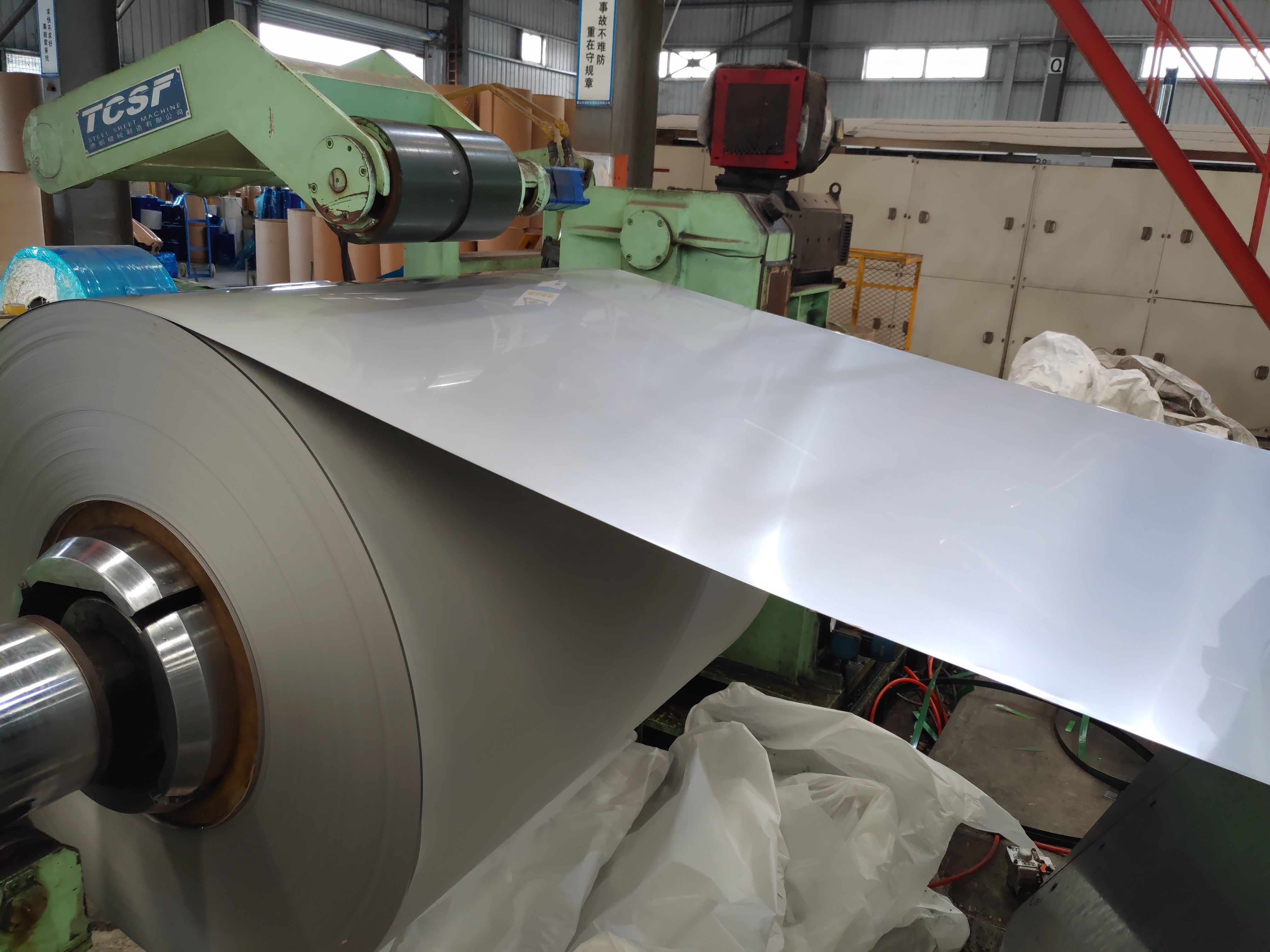
The standard starting point for most stainless steel sheet, coil, tube, kitchen equipment, architecture, and general fabrication.
Best for
General fabrication, indoor equipment, food-service areas, cabinets, panels
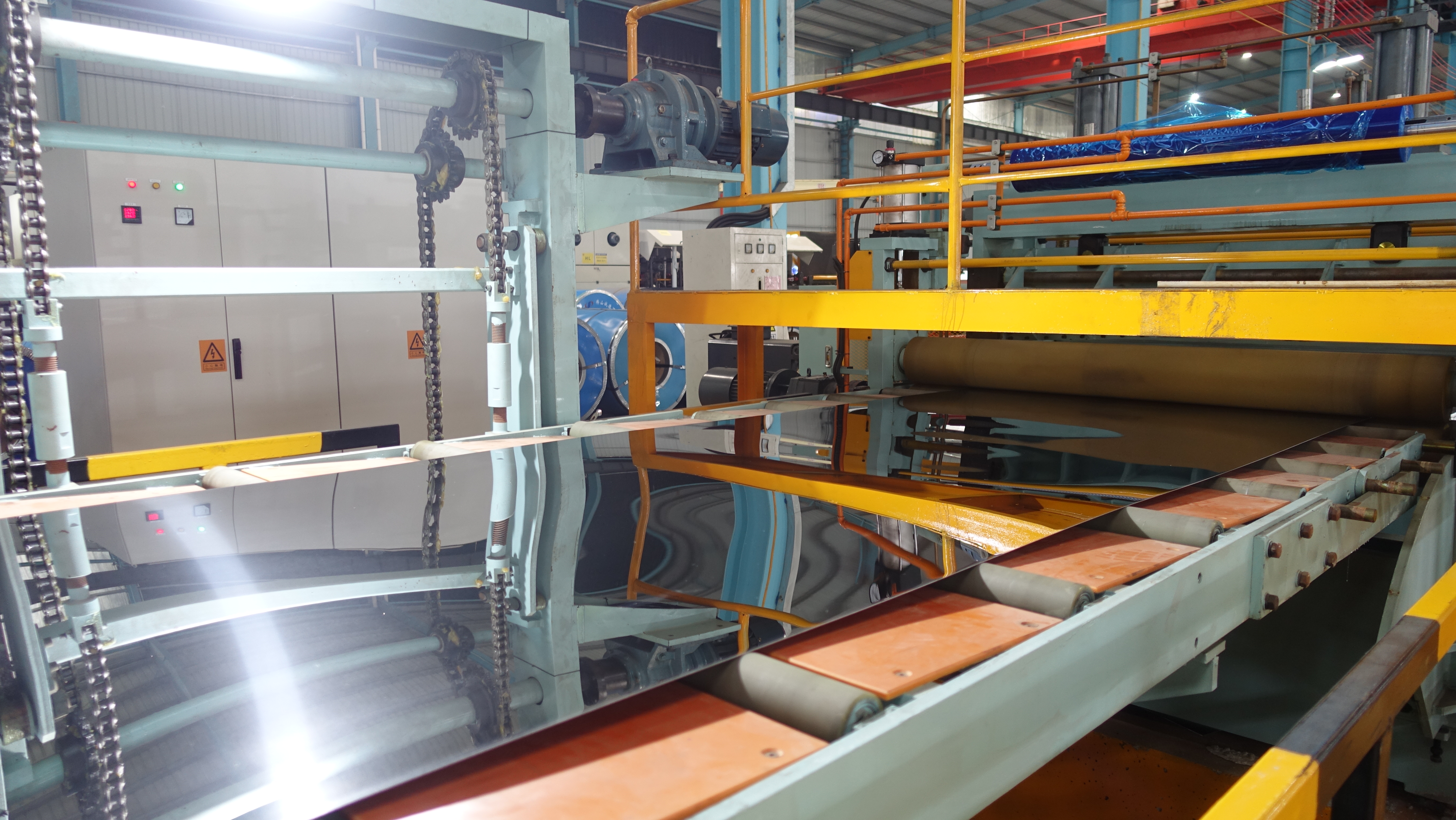
The stronger route when wet exposure, chloride, cleaning chemicals, medical use, food processing, or coastal environments increase risk.
Best for
Wet zones, food and pharma, chemical cleaning, coastal projects
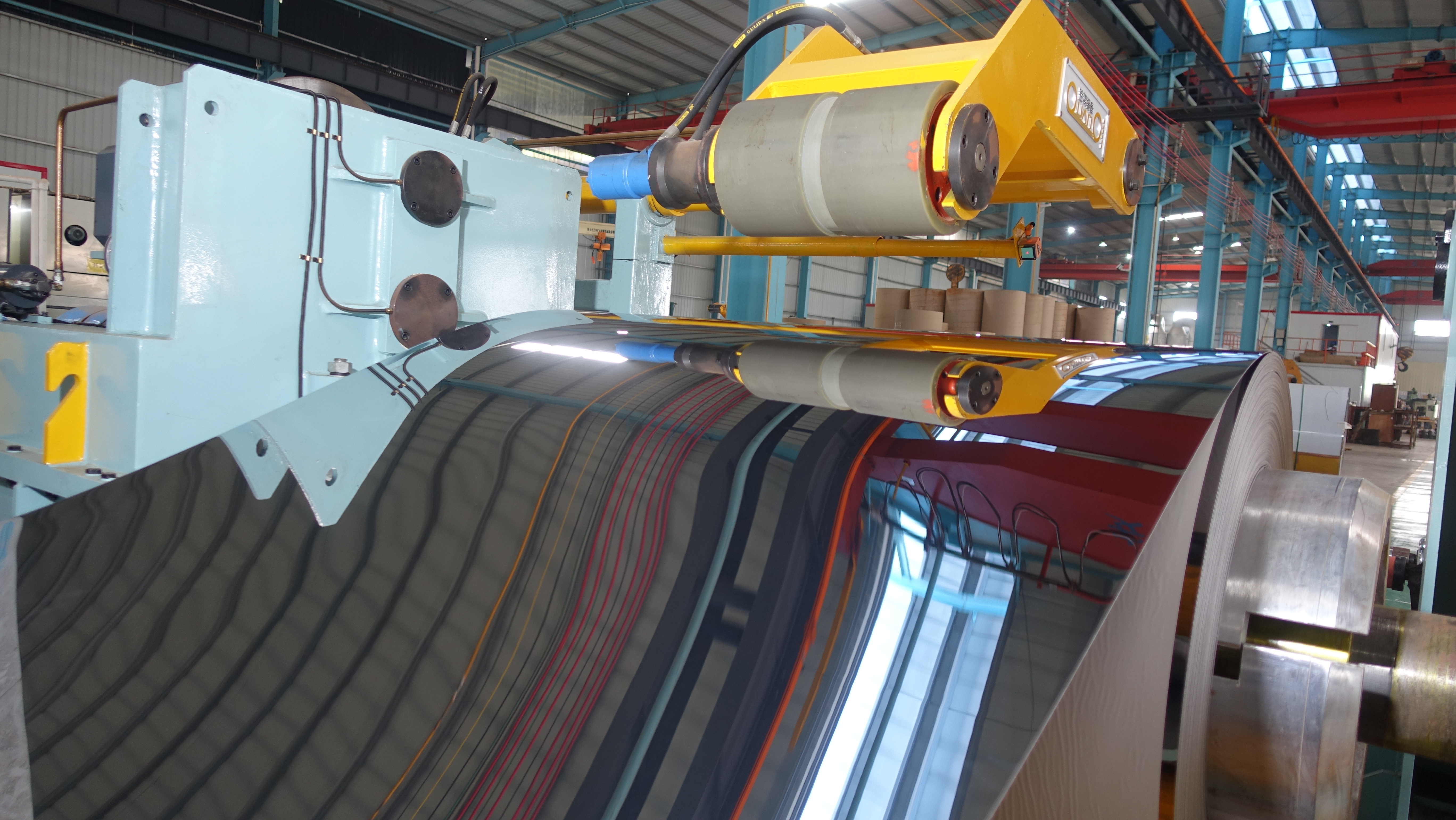
A nickel-free ferritic stainless steel used where decorative appearance, magnetic behavior, and cost control matter more than high corrosion reserve.
Best for
Appliance panels, dry interiors, decorative sheet, trims
Grade + Product Form
A stainless steel grade decision is not complete until product form, surface finish, processing route, protective film, and export packing are confirmed together.
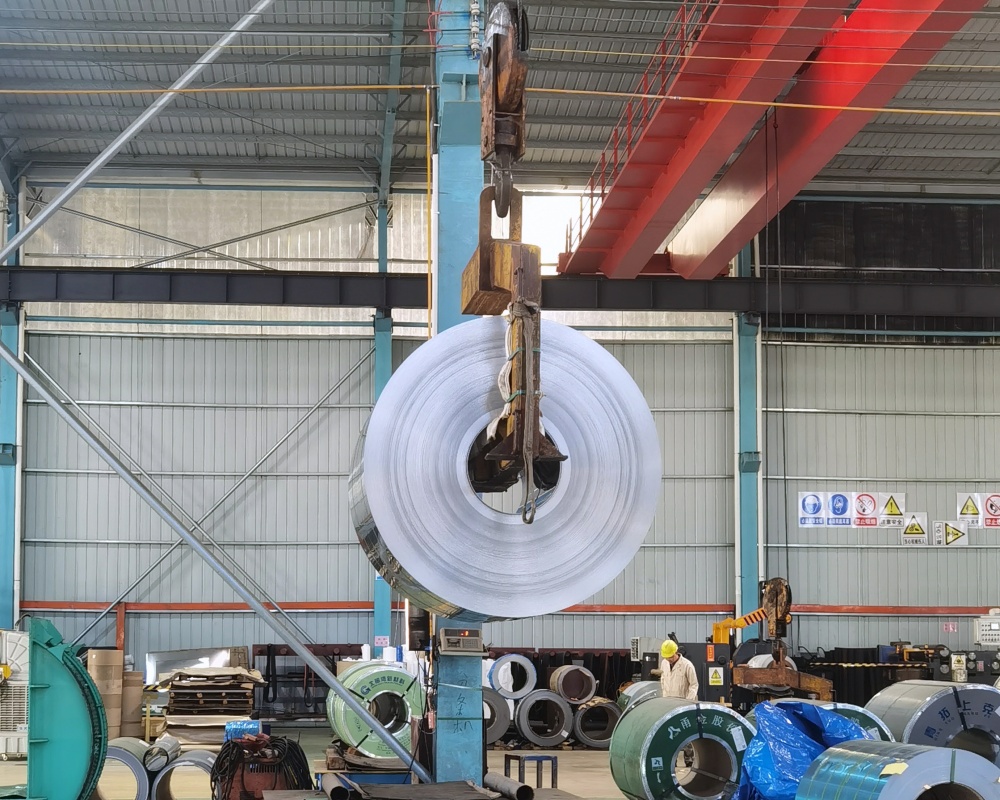
Confirm grade, thickness, width, coil weight, surface finish, slitting route, and packing before coil release.
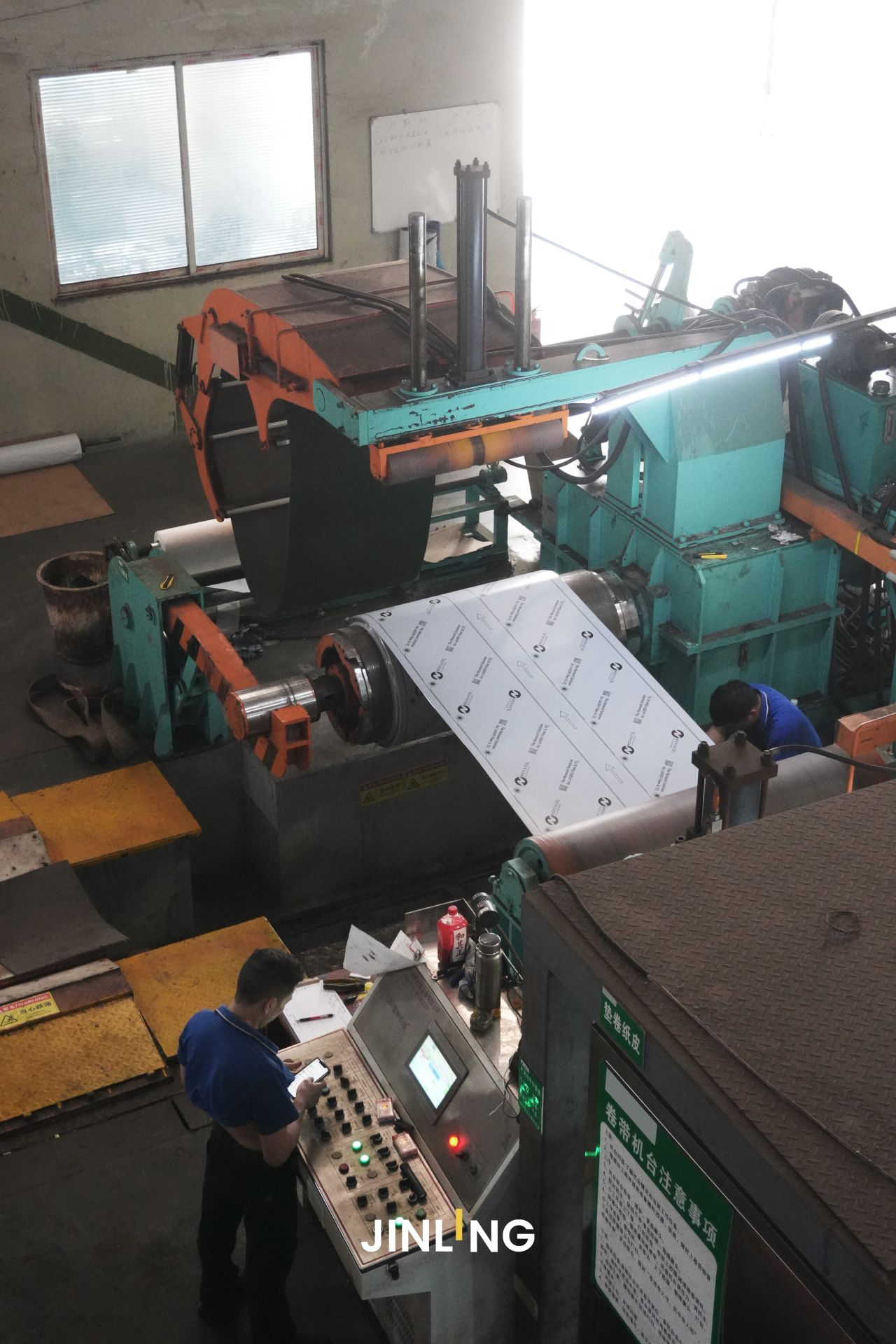
Match grade with flatness, surface direction, protective film, cutting size, and visible panel requirement.
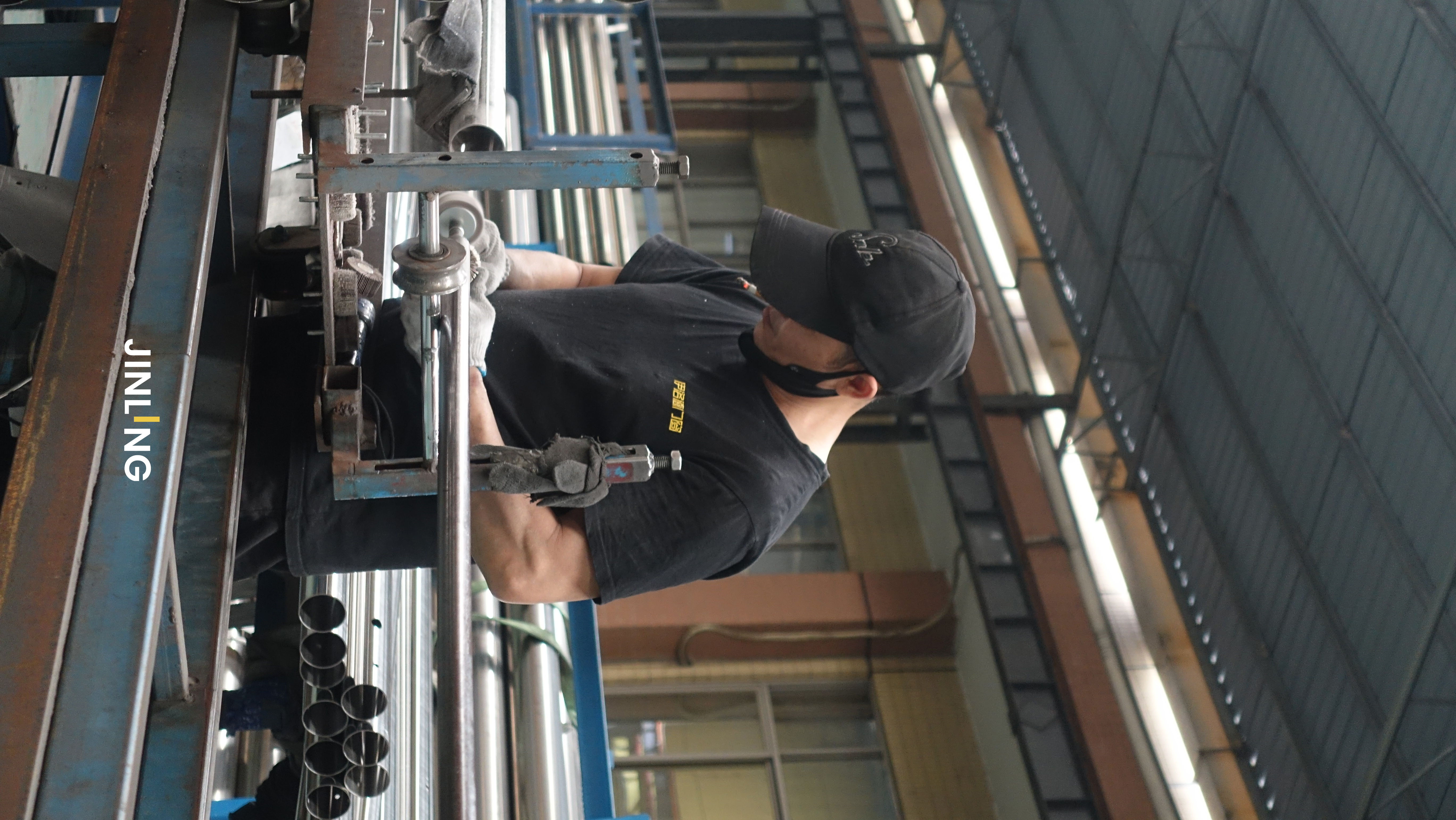
Review grade together with OD, wall thickness, weld route, internal cleanliness, end condition, and application environment.
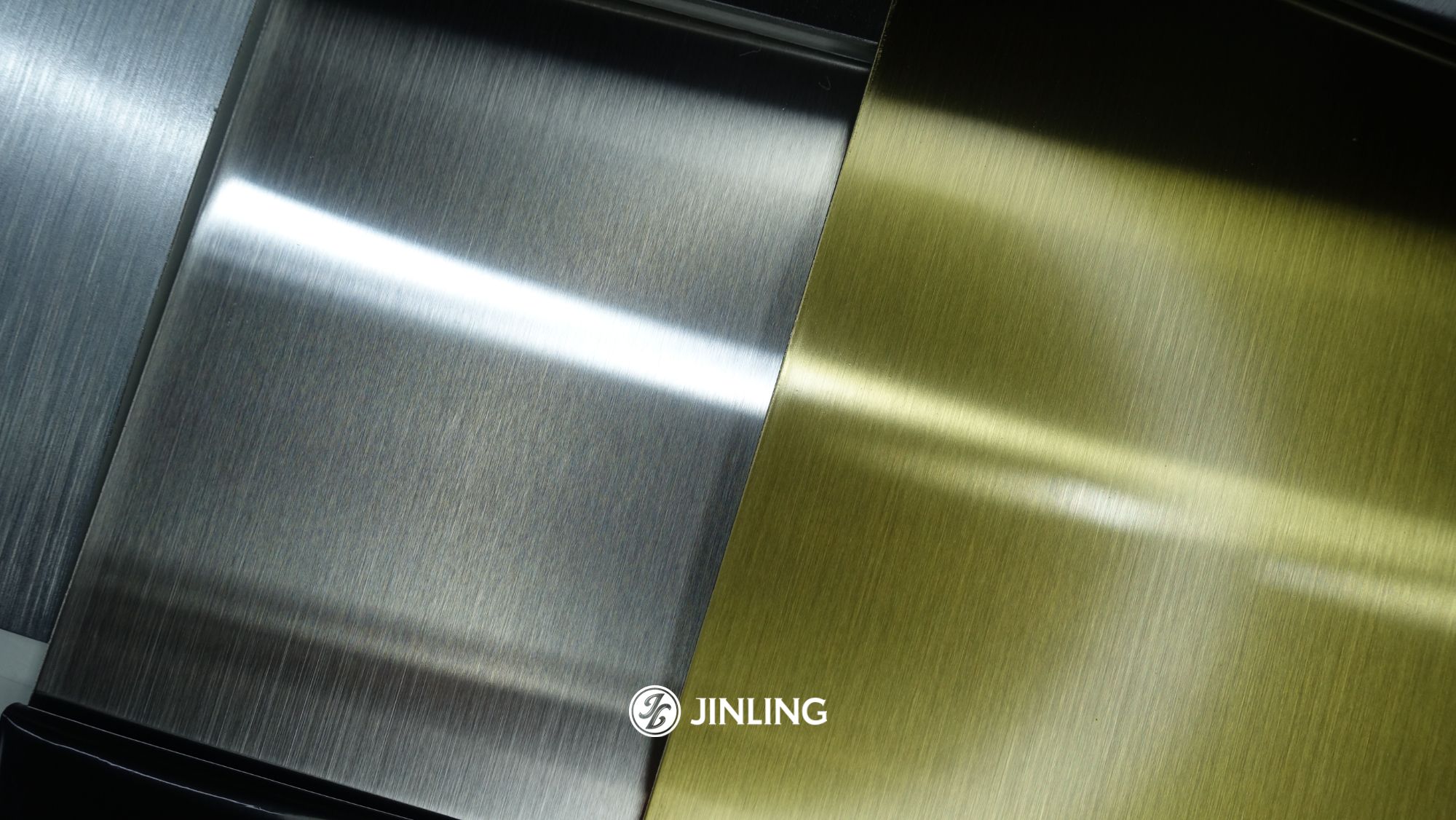
Connect 304, 316L, 430, or 201 with 8K mirror, AFP, hairline, No.4, BA, 2B, protective film, and final application.
Application Routes
Application pages help buyers move from grade name to real use conditions, including cleaning, welding, corrosion exposure, visible surface quality, project packing, and final installation environment.
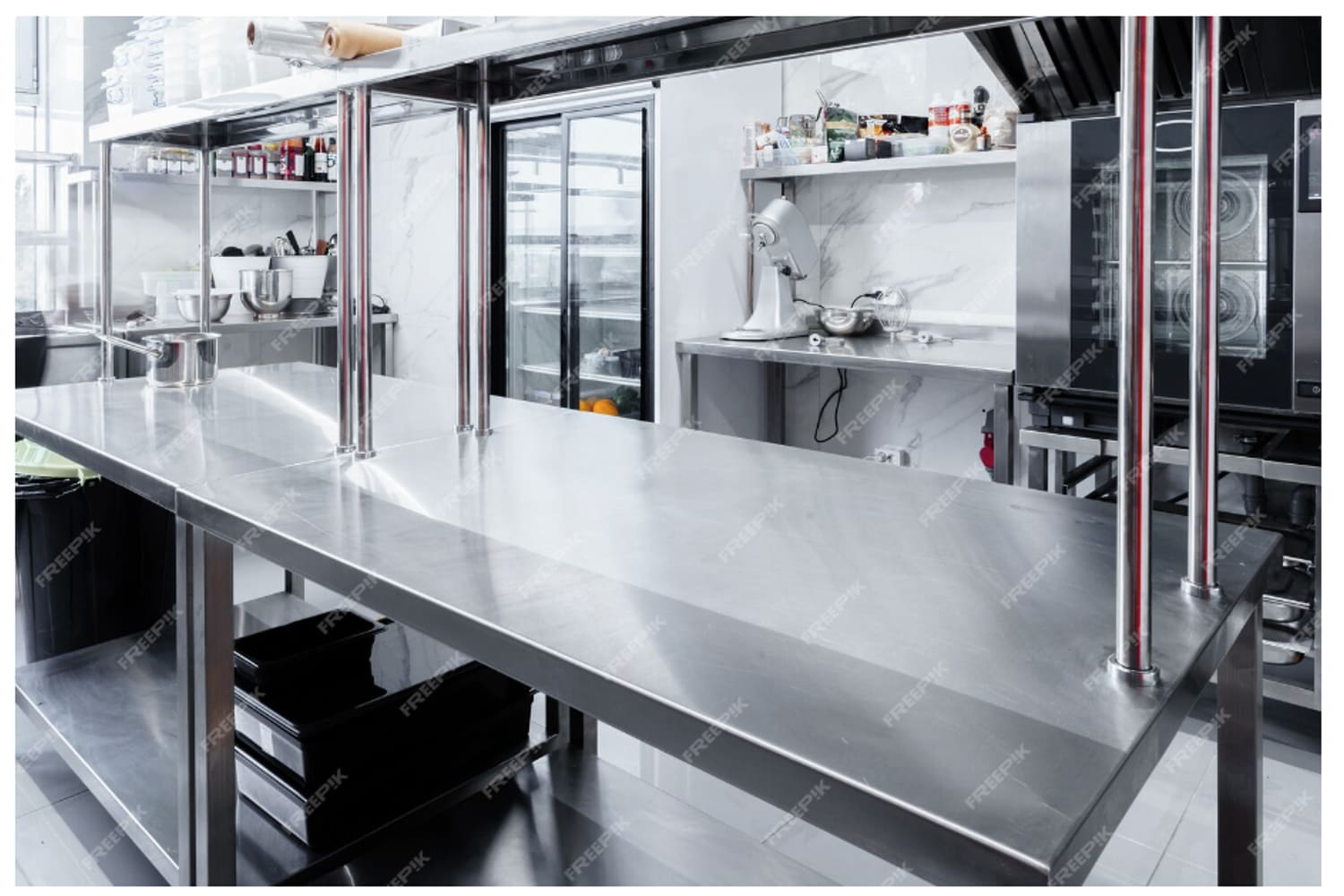
304 and 316L stainless steel for worktops, sinks, cabinets, splashbacks, wet zones, and fabricated kitchen parts.
304, 316L, sheet, and hygienic tube routes for food-contact surfaces, tanks, washdown areas, and process piping.

304 and 316L stainless steel for cladding, wall panels, ceilings, coastal projects, decorative trims, and public interiors.
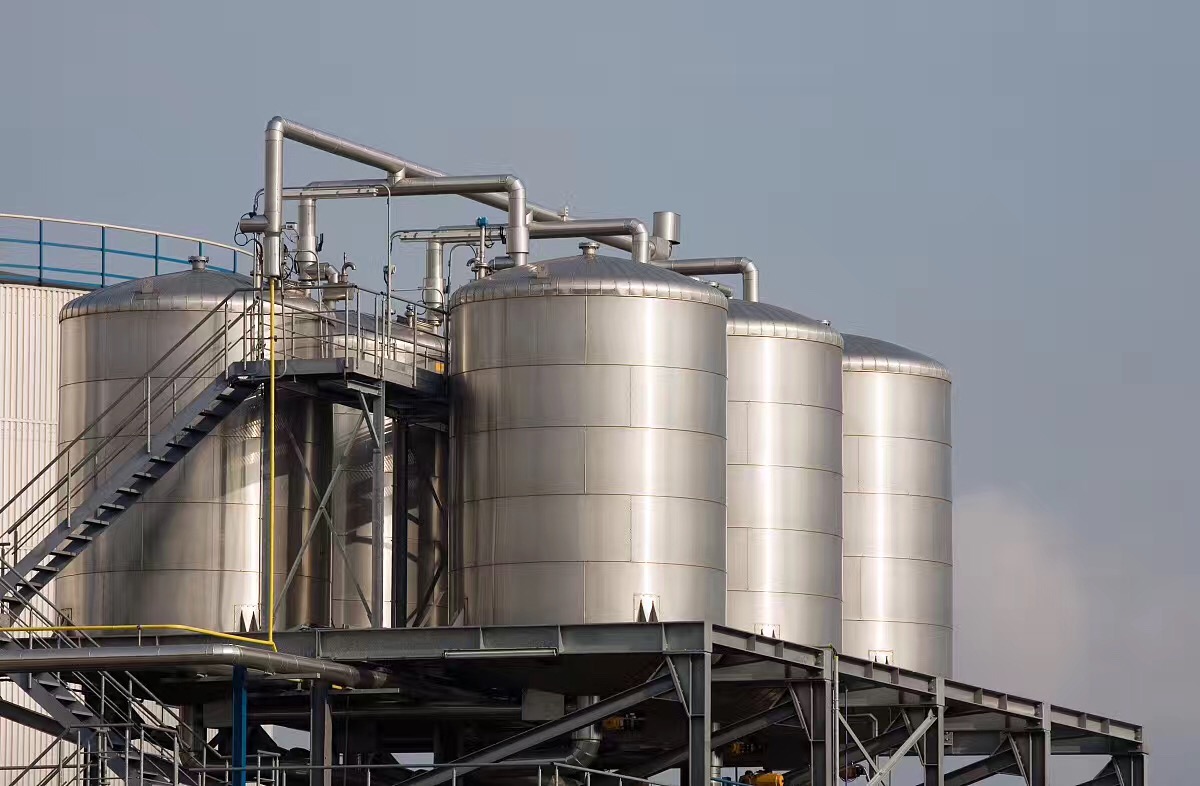
316L and 2205 duplex stainless steel for process piping, tanks, offshore exposure, skids, and corrosion-resistant fabrication.