Chemistry
Water Chemistry
Fresh water, wastewater, process water, brackish water, seawater, and treated water can require different stainless steel grades and corrosion review.
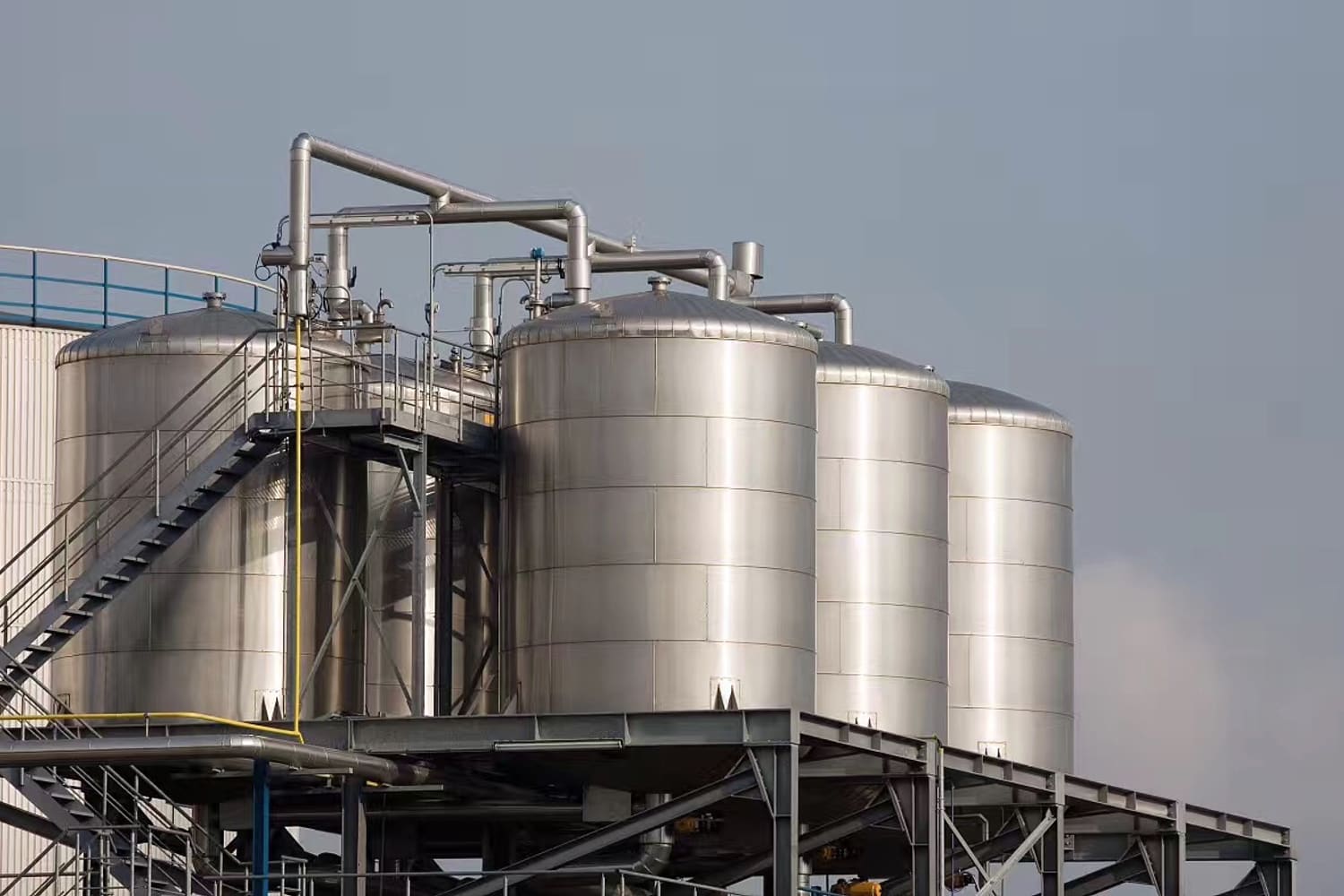
Application Lines
Jinling Steel supplies stainless steel for water treatment and desalination equipment where wet exposure, chloride content, corrosion resistance, welding performance, fabrication accuracy, and export-ready packing are critical. From tanks, filters, pumps, piping, and skids to desalination systems, wastewater equipment, covers, frames, and fabricated parts, we help buyers select the right stainless steel grade, product form, processing route, and delivery control before production.
Water treatment stainless steel is selected by water chemistry, chloride level, wet exposure, cleaning method, fabrication route, and whether the material will be used for tanks, piping, filters, pumps, skids, or structural support.
Water route pre-check
Chemistry
Fresh water, wastewater, process water, brackish water, seawater, and treated water can require different stainless steel grades and corrosion review.
Chloride
Chloride-bearing water, seawater, brine, salt spray, and desalination environments often require higher corrosion-resistant stainless steel routes. 316L stainless steel
Wet zones
Repeated wet exposure, standing water, chemical cleaning, and disinfection cycles can increase corrosion risk around welds, crevices, and fabricated joints. 2205 Duplex
Delivery
Water treatment projects often require controlled cutting, welding, surface protection, packing, marking, and export logistics before shipment. Packaging & Logistics
304 stainless steel
Choose 304 stainless steel for moderate indoor water treatment equipment, covers, frames, guards, and support structures where chloride exposure is low.
316L stainless steel
Choose 316L stainless steel for tanks, filters, pumps, piping, wet zones, and components exposed to moisture, cleaning chemicals, or moderate corrosion risk.
316L / 2205 duplex review
Review 316L or 2205 duplex stainless steel when equipment is exposed to chloride-bearing water, salt spray, brine, seawater, or desalination environments.
Product form route
Confirm whether the project needs stainless steel pipe, tube, sheet, plate, coil, cut-to-length material, or fabricated parts before production.
For water treatment stainless steel, the main decision is the water chemistry and chloride level. Buyers should confirm whether the material is used in fresh water, wastewater, brackish water, seawater, desalination, or more aggressive wet environments before choosing the grade.
Before ordering stainless steel for water treatment projects, buyers should confirm water chemistry, chloride level, wet exposure, fabrication method, documentation needs, and delivery control. These details help avoid wrong grade selection, surface damage, welding issues, corrosion problems, and project delays.
Confirm whether the material will contact fresh water, wastewater, process water, brackish water, seawater, brine, or treated water.
For chloride-bearing water, seawater, brine, desalination, or salt spray exposure, review 316L or duplex stainless steel instead of selecting by price alone.
Confirm product form, wall thickness, sheet size, welding route, tolerance, and project specification before production.
Fabrication route affects grade selection, surface protection, cutting size, edge quality, and packing method.
For aggressive wet service, standing water, chloride exposure, brackish water, seawater, or desalination environments, compare 316L and 2205 duplex stainless steel based on project conditions.
Protective film, paper interleaving, pallet packing, and controlled handling help reduce scratches and transport damage before assembly or installation.
Water treatment project orders often need clear material identification, batch separation, packing lists, and export delivery control.