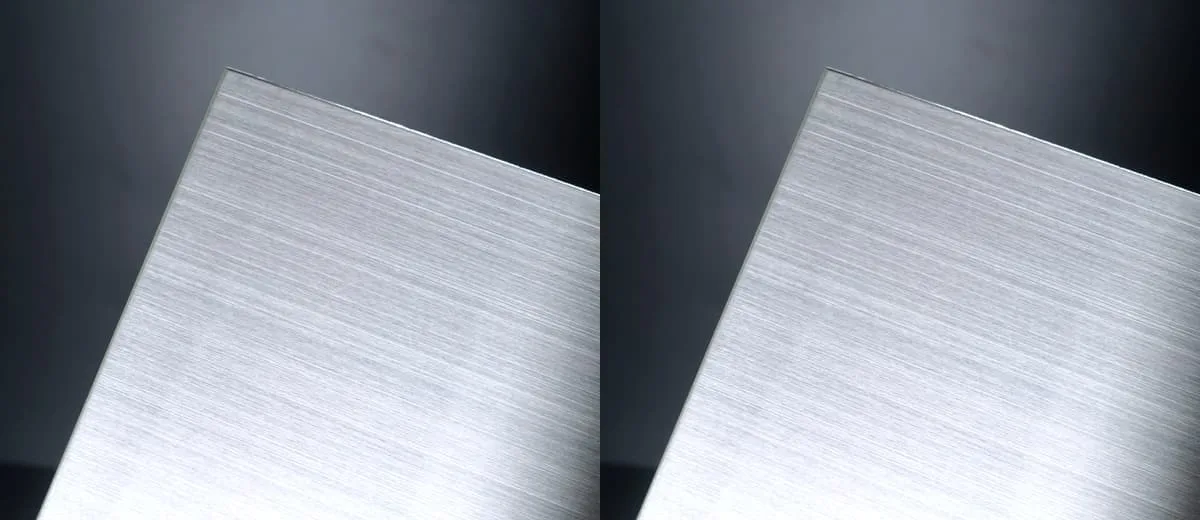
No.4 and hairline can look close on a sample card. They do not behave the same once a panel is installed, touched, cleaned, scratched, and viewed under real light.
No.4 is the practical brushed finish. Hairline is the more architectural brushed finish. The better choice depends on whether the surface needs to forgive damage or deliver a long, quiet visual line.
What Changes Between Them?
| Question |
No.4 |
Hairline |
| Grain look |
shorter, more broken |
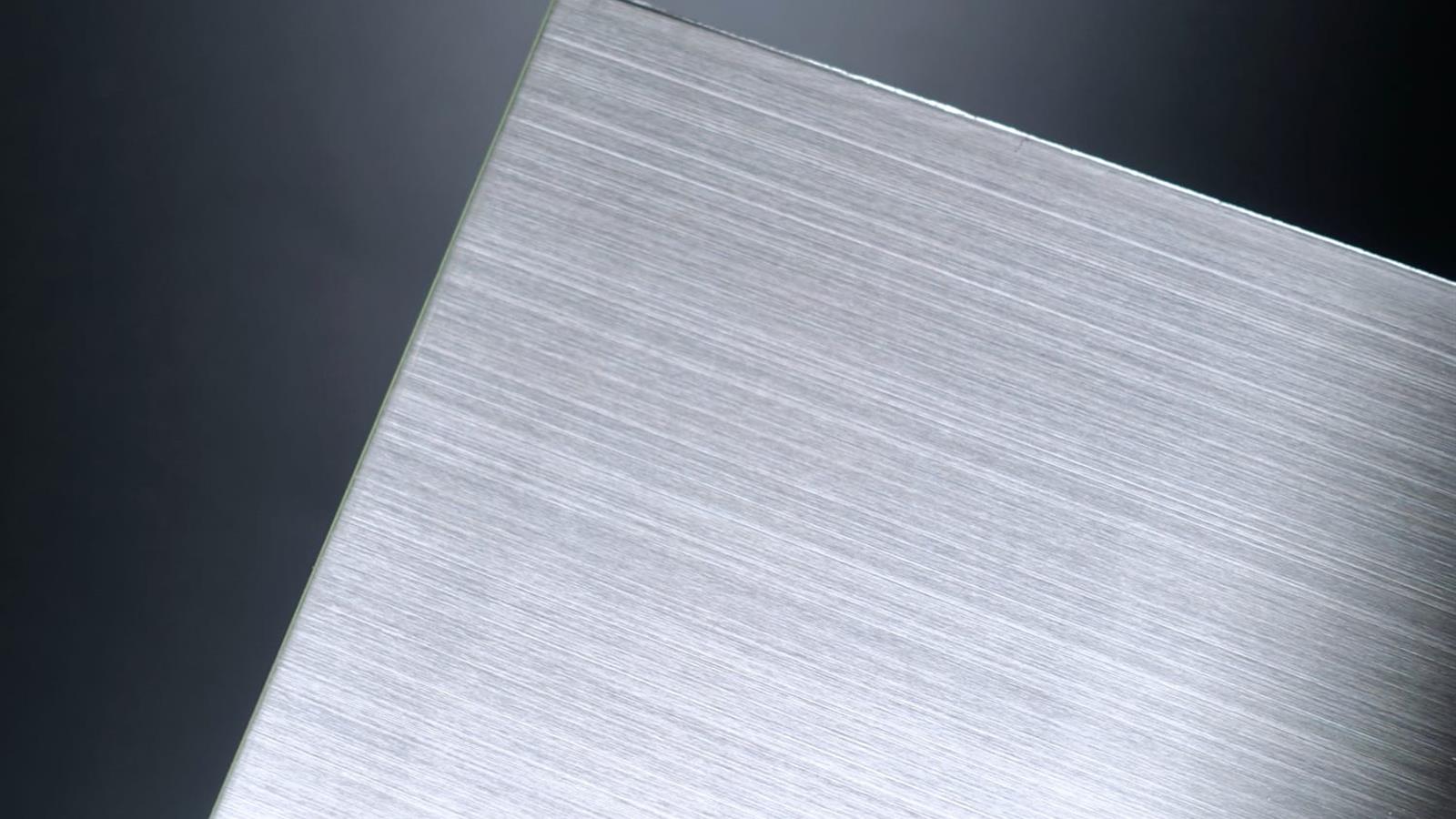
long, continuous |
| Visual character |
satin, practical |
calm, refined |
| Scratch blending |
easier |
harder to hide locally |
| Fingerprints |
usually less visible |
more visible unless AFP is added |
| Panel matching |
important |
critical |
| Best use |
kitchens, handrails, service zones |
elevators, feature walls, premium panels |
Both may sit in a similar Ra range, often around 0.2-0.4 µm. The difference is more than roughness. It is how light travels along the grain.
No.4 breaks light up. Hairline carries it. That is why hairline looks cleaner across a wide lobby wall, and why it also exposes a rotated panel or mismatched lot more quickly.
When No.4 Is the Better Decision
Choose No.4 when the surface will be used hard.
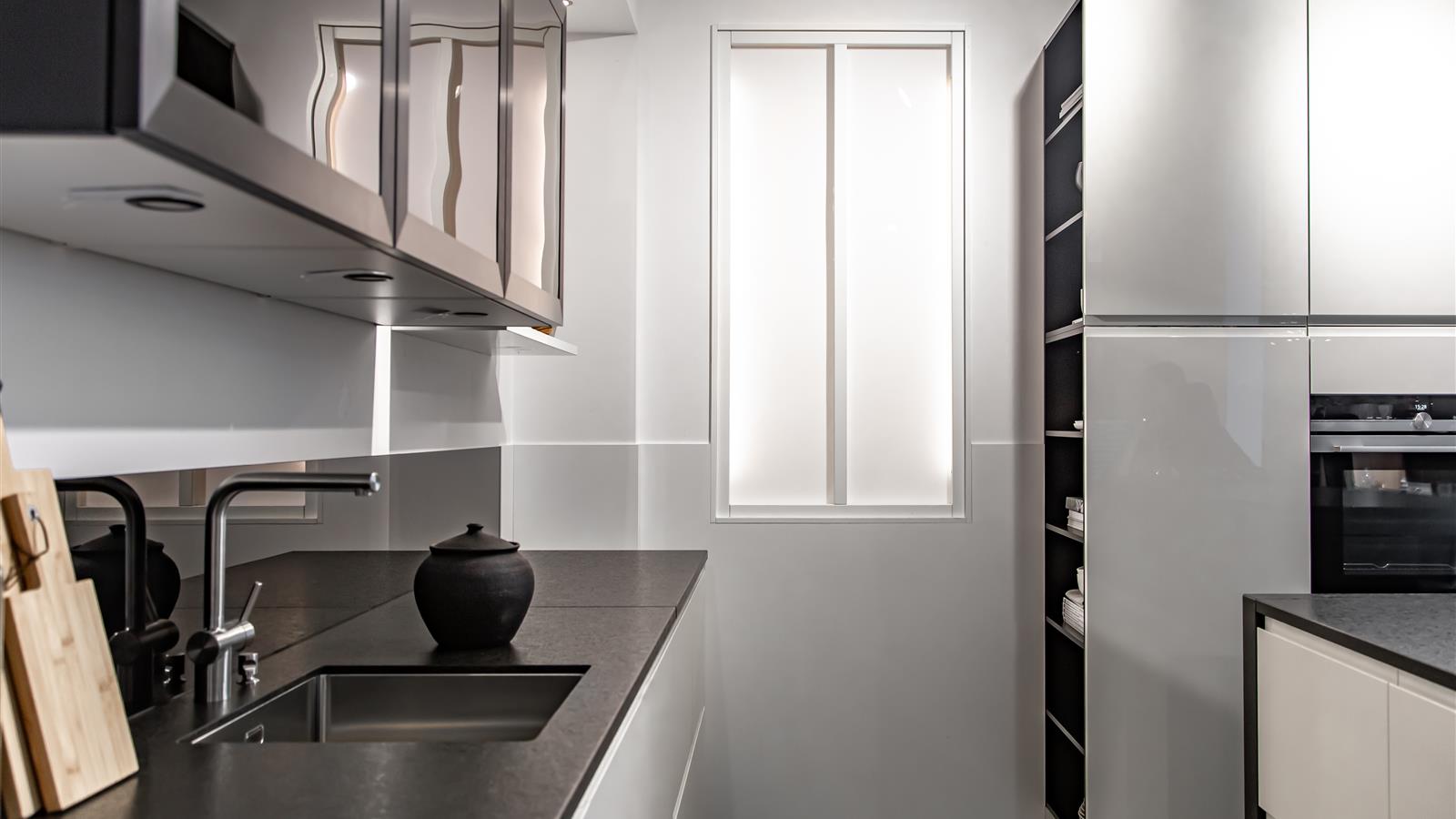
It belongs on worktops, commercial kitchen panels, service elevators, handrails, kick plates, public doors, and places where cleaning staff will wipe the same area every day. If the surface gets scratched, a trained fabricator can often blend the mark along the existing grain without replacing the whole panel.
No.4 also has a comfortable honesty to it. It looks like stainless doing useful work, not a decorative surface trying to stay perfect.
When Hairline Earns the Premium
Choose hairline when the visual plane matters.
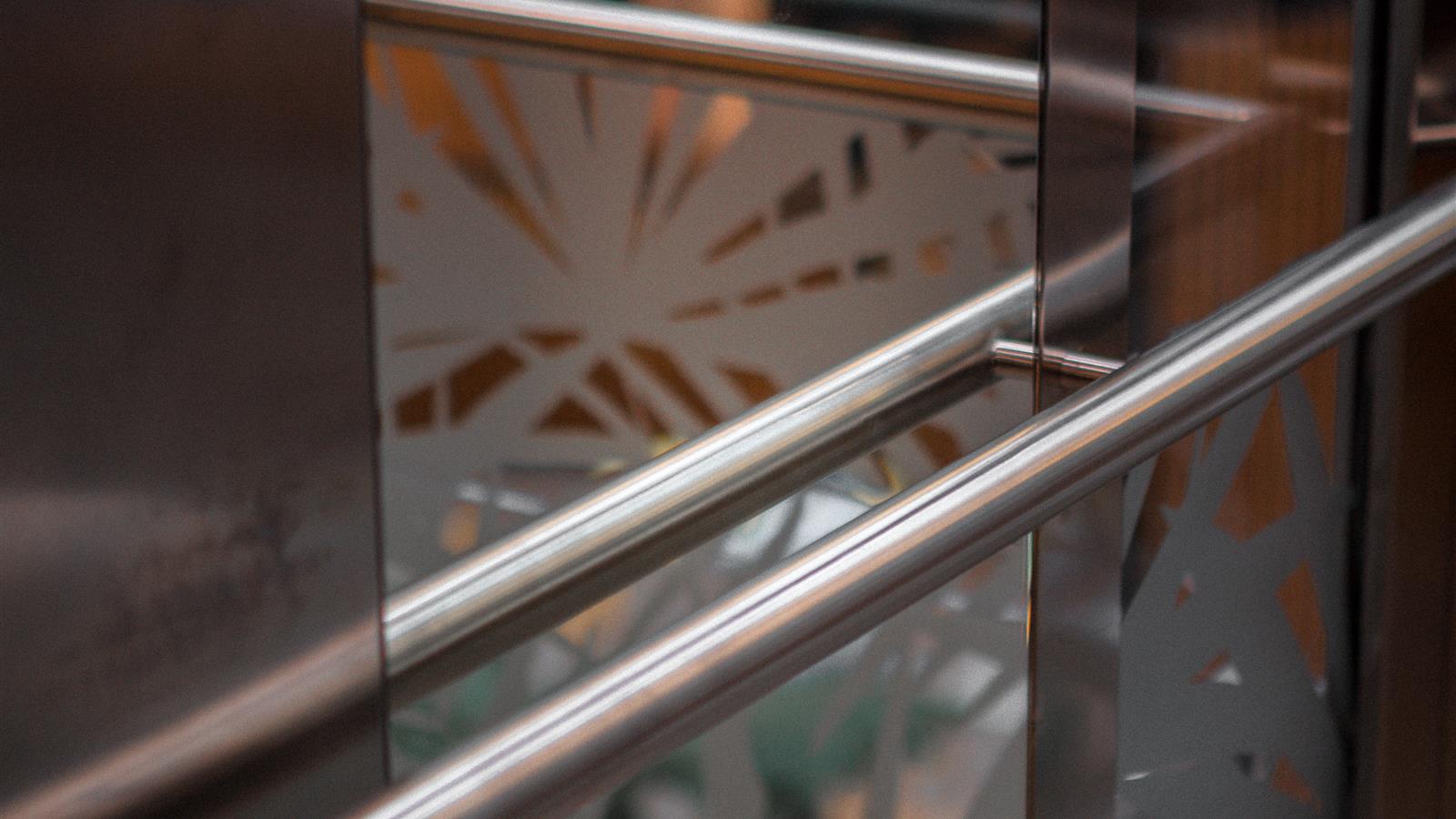
It works well on elevator walls, hotel lobbies, retail panels, column wraps, and large architectural sheets where the eye follows the grain across the whole panel. The finish feels calmer because the line is uninterrupted.
The cost is control. Grain direction must be specified. Replacement panels need a retained sample. Installation teams need to avoid rotating panels, mixing batches, or using suction cups that mark the surface. Hairline is beautiful, but it asks the project to behave.
Should AFP Be Added?
AFP can be useful over either finish when the panel is high-touch. It does not change the base look much, but it reduces fingerprint smearing and makes wiping easier.
Add AFP when the owner will judge the panel between cleaning cycles: elevator doors, appliance fronts, reception counters, and premium wall panels. Skip it where abrasion is the main problem, because AFP is not a scratch shield.
How to Write the Spec
Do not stop at brushed stainless.
Write:
- finish: No.4 or hairline
- grain direction: vertical, horizontal, or drawing-controlled
- reference sample: retained for later batches
- protective film: kept on through installation
- inspection: viewing distance and lighting condition agreed
- AFP: yes or no, by touch zone
The surface dispute usually starts when the label was clear but the grain control was not.
For kitchen surfaces, continue with 2B vs No.4 vs AFP for kitchen equipment. For architectural zone selection, use architectural stainless finish selection.